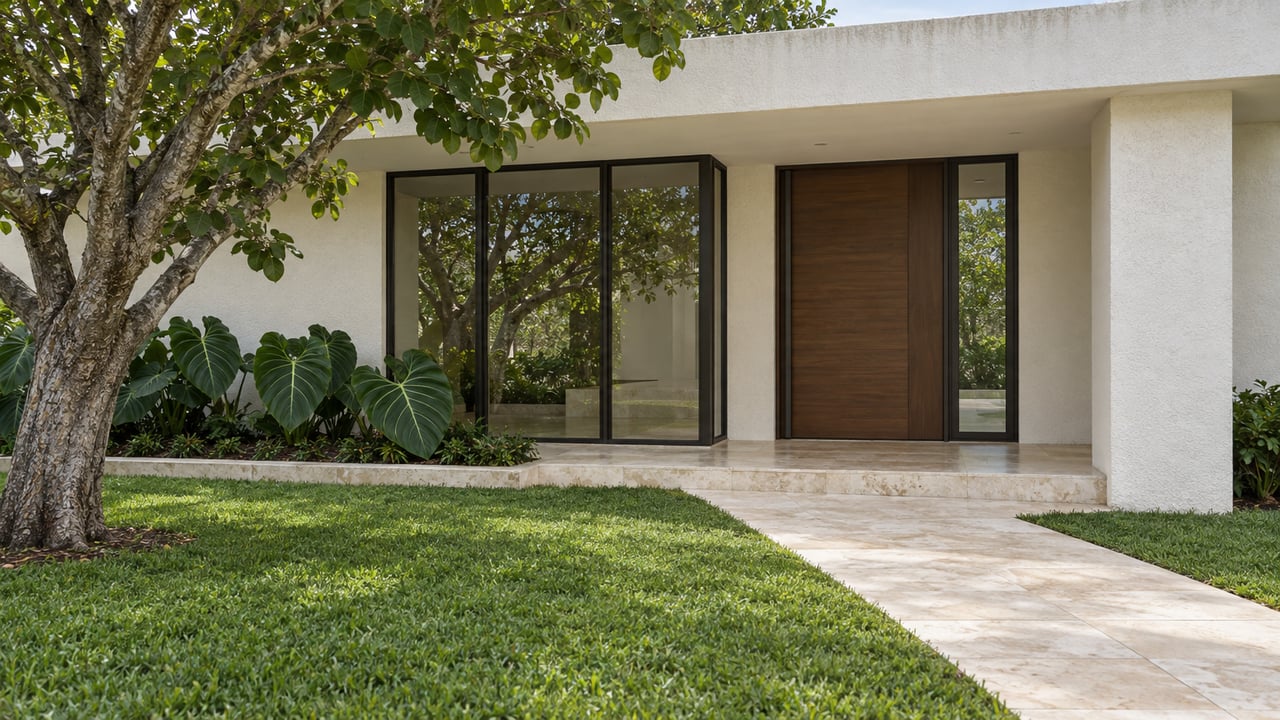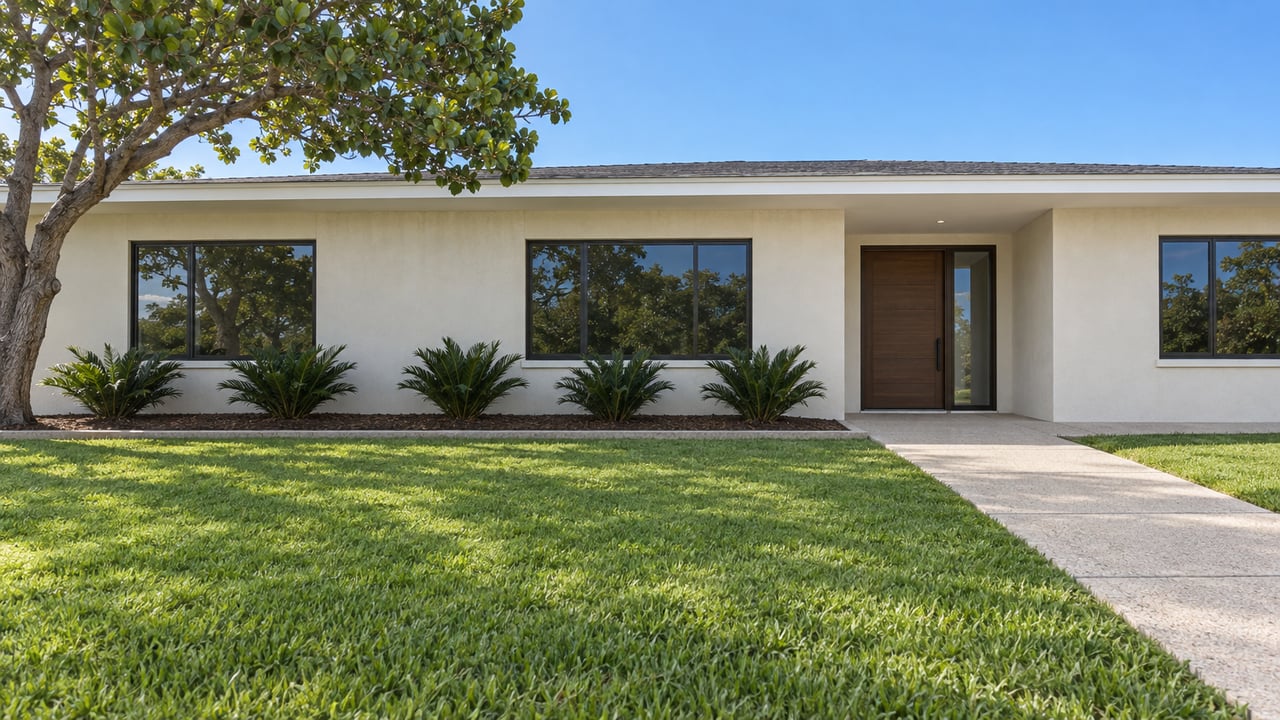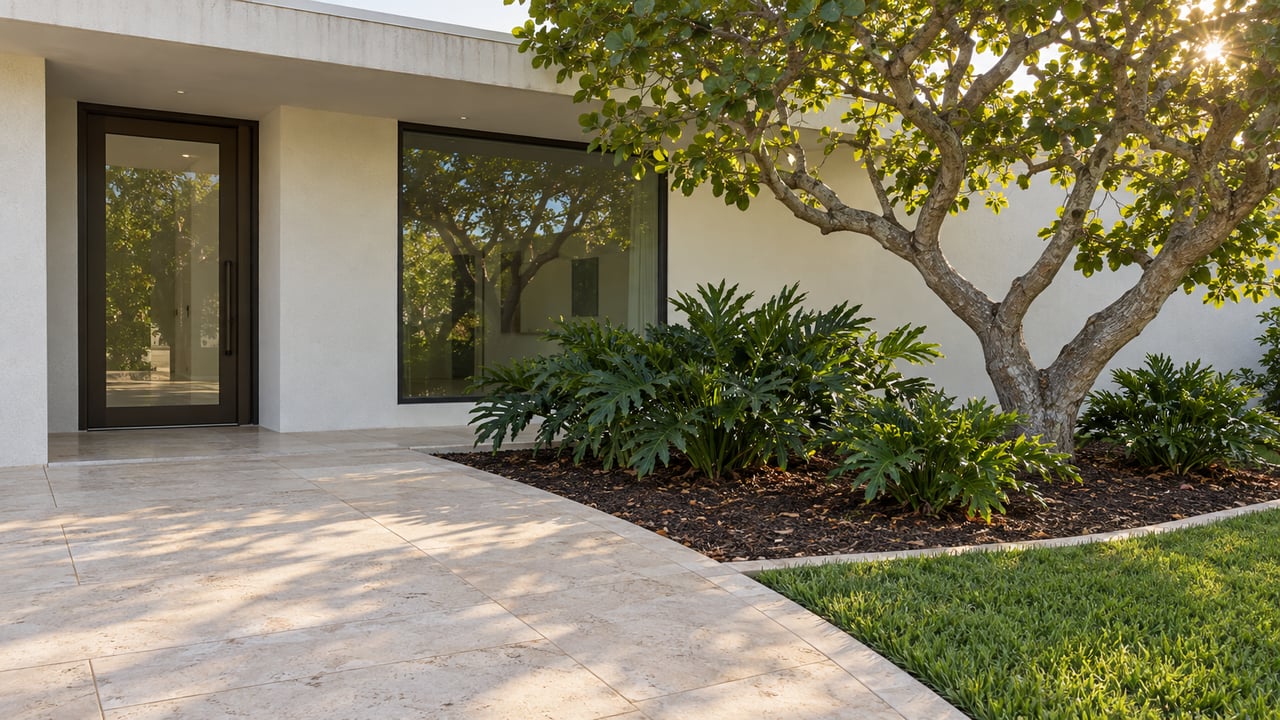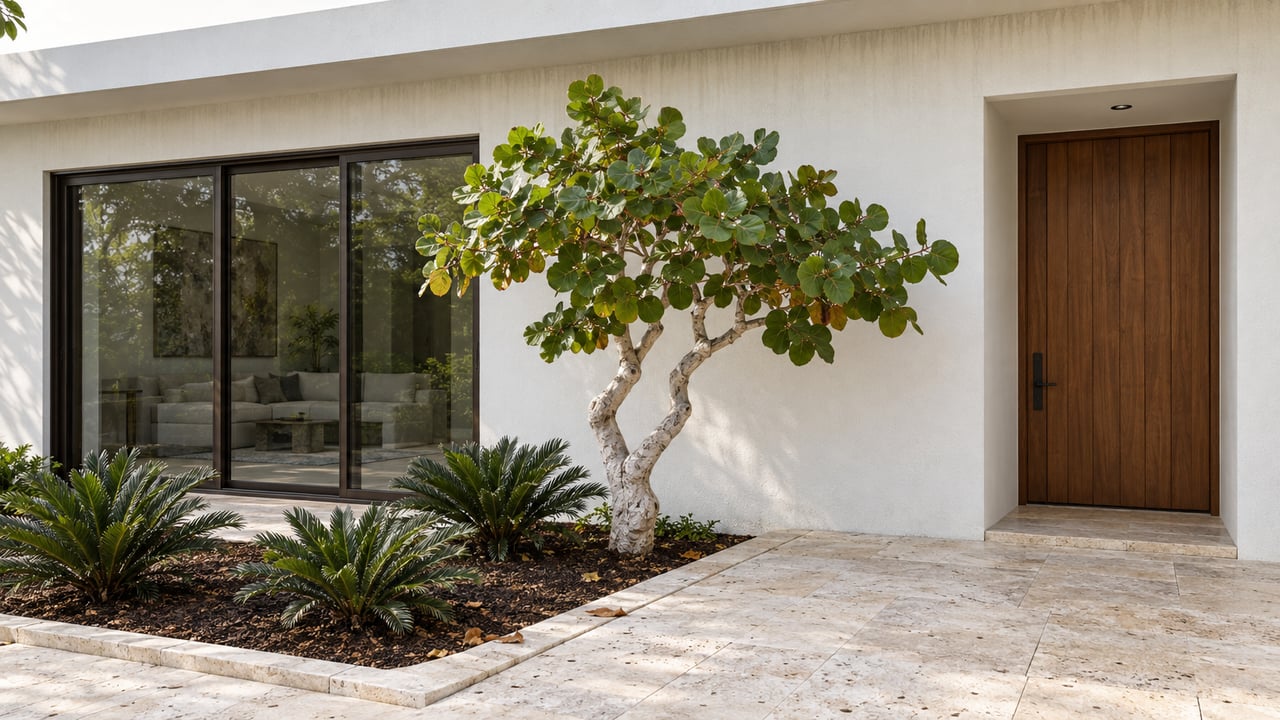
If you have ever wanted more space without feeling far from Miami, Pinecrest likely makes your shortlist for a reason. The village is known for larger homesites, lush landscaping, and a quieter residential feel that stands out in Miami-Dade. For many buyers, that mix feels less like a compromise and more like an upgrade. Let’s take a closer look at what the Pinecrest acre lifestyle really means.
What the Pinecrest acre lifestyle means
In Pinecrest, the “acre lifestyle” is not just marketing language. It is shaped by the village’s land development rules, which are designed to protect residential estates, preserve open space, and keep development compatible with natural site features.
That matters because privacy here comes from more than a gated entry or a long driveway. It comes from how lots are planned, how homes are spaced, and how much land must remain as green space.
In several residential estate districts, minimum lot sizes are notably generous by Miami standards. For example, EU-1C requires at least 2.5 gross acres, while EU-1 requires 1 gross acre. Other districts like EU-S and EU-M also require substantial lot area, frontage, depth, and green-space minimums.
The result is a setting where homes often have more breathing room. You are more likely to see space for landscaping, extended driveways, patios, and backyard amenities built into the property from the start.
Why open space feels different here
One of the biggest reasons Pinecrest feels distinct is its green-space requirements. In EU-1C and EU-1 districts, the code requires a 55% minimum green space. In EU-S and EU-M, the minimum is 35% green space.
That has a real impact on how the village looks and feels. Instead of every inch being built out, a large share of each homesite is expected to remain open, planted, or landscaped.
For you as a buyer, that can translate into a more relaxed visual rhythm from property to property. It also supports the sense of privacy and calm that many people associate with Pinecrest living.
Pinecrest backyards are part of the lifestyle
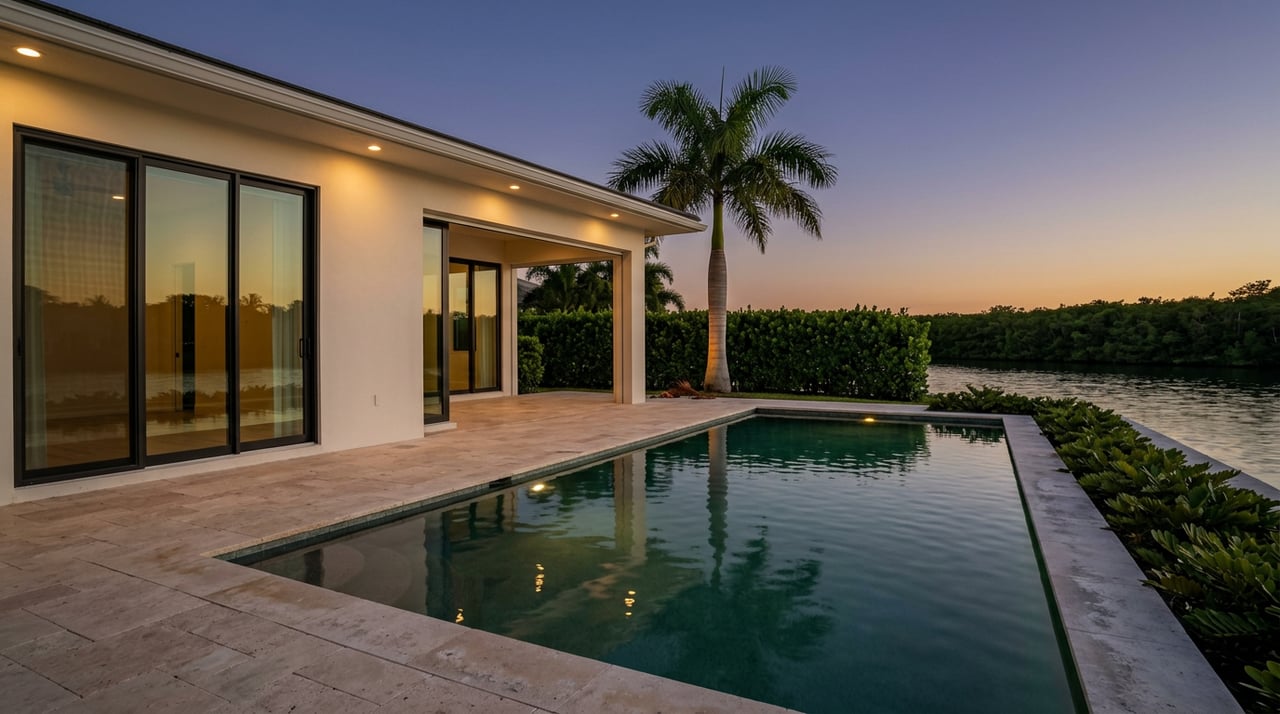
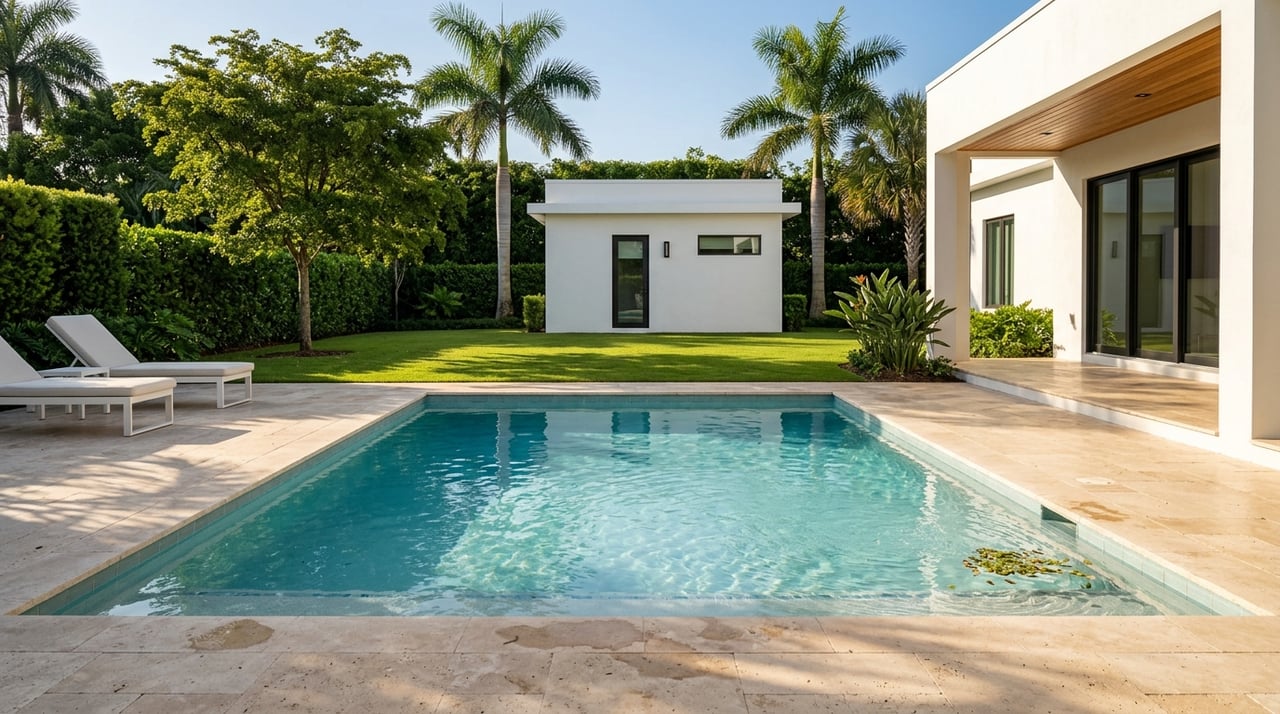
In Pinecrest, outdoor living is not an afterthought. The village code directly addresses swimming pools, screen enclosures, tennis courts, recreation areas, and accessory structures, which tells you these features are an expected part of residential life.
In estate districts, uncovered pools, pool patios, and hard-surfaced tennis courts are excluded from floor area ratio calculations, though they still count toward impervious surface. There are also placement rules, including the requirement that pools be at least 7.5 feet from any building foundation.
Screen enclosures and accessory elements are also regulated in ways that keep them visually secondary to the main house. In practice, that helps preserve the residential streetscape while still allowing homes to support outdoor dining, lounging, entertaining, and recreation.
This is a big part of Pinecrest’s appeal. Your backyard is often not just extra land. It is usable space that can be planned as an extension of the home.
Trees and privacy shape the experience
Pinecrest’s tree canopy is one of the clearest parts of its identity. The village says it has planted more than 10,000 street trees since 1997, identifies itself as a Tree City USA community, and currently lists 50,837 street trees on its official home page.
That commitment is reinforced by local regulations. Pinecrest requires minimum tree counts per acre of net lot area, including 18 trees per acre in EU-1 and EU-1C and 12 trees per acre in EU-M and EU-S.
The village also supports canopy growth through its Adopt-a-Tree program, which offers free swale trees and low-bid private-property trees. Taken together, these efforts help explain why Pinecrest often feels established, shaded, and green rather than newly built out.
For you, this means the landscaping character is not accidental. It is supported by public programs and code standards that help preserve shade, screening, and a mature residential setting.
Flexible spaces with important limits
A lot of buyers love the idea of a guesthouse, studio, cabana, or private workspace. Pinecrest does allow accessory units, but the rules are specific and worth understanding before you shop with that feature in mind.
The code defines an accessory unit as a detached building that is separate from the principal home and used by temporary guests, or as worker housing that is not rented. The owner must sign an affidavit confirming the unit’s limited purpose and compliance with the land development code.
That means these spaces should be viewed as flexible lifestyle spaces, not standard income-producing apartments. Placement rules also matter, since accessory uses are expected to be behind the main home or within a screened courtyard so they remain visually secondary.
If you are comparing properties with a pool house, detached studio, or guest space, the layout and permitting history matter just as much as the square footage. This is an area where careful guidance can save you time and frustration.
Why buyers choose Pinecrest
Pinecrest is a roughly eight-square-mile village in Miami-Dade County, located south of Downtown Miami and Miami International Airport. That location helps explain why it resonates with buyers who want more land and privacy while staying connected to central Miami.
For many households, the appeal is simple. You get more room to spread out, more mature landscaping, and more space for outdoor living without giving up access to the broader Miami area.
The village also offers public amenities that support an active lifestyle. The Pinecrest Community Center includes a gym, event space, playground, walking trails, picnic tables, and outdoor patio rental options.
Nearby parks add to the appeal. Evelyn Greer Park is a 10-acre active park, while Veterans Wayside Park is a 4.5-acre passive park with benches, a pond, and open recreation areas.
What to look for in a Pinecrest acre property
Not every large lot lives the same way. If you are exploring Pinecrest, it helps to look beyond the headline lot size and focus on how the property actually functions.
Here are a few practical things to consider:
- How much usable backyard space the lot layout creates
- Existing tree coverage and overall landscaping character
- Placement of the main home, pool, patio, and accessory structures
- Green-space balance versus hardscape and impervious surface
- Whether guest or flex spaces align with village rules
- How the property’s frontage, depth, and setbacks affect privacy
These details shape your day-to-day experience. They also affect how easily you can adapt the property to fit your lifestyle over time.
Why expert guidance matters here
Pinecrest properties can look similar in a listing search, but the lifestyle value often comes down to details that are easy to miss online. Lot standards, accessory-use rules, green-space requirements, and tree regulations all influence how a property lives today and what may be possible in the future.
That is where local guidance makes a difference. When you work with an advisor who understands both the lifestyle side and the transactional side, you can evaluate homes with more clarity and move with more confidence.
If you are thinking about buying or selling in Pinecrest, Surelis Yanes offers boutique, bilingual guidance backed by deep Miami market knowledge and hands-on closing expertise.
FAQs
What does the acre lifestyle mean in Pinecrest?
- In Pinecrest, the acre lifestyle refers to larger residential lots, meaningful green-space requirements, generous spacing between homes, and room for landscaping and outdoor amenities.
Are all Pinecrest homes on one acre or more?
- No. Pinecrest includes several residential districts with different lot standards, including areas that require 2.5 gross acres, 1 gross acre, 25,000 gross square feet, or 15,000 net square feet.
Why does Pinecrest feel so green and private?
- Pinecrest supports a dense tree canopy through village planting programs, tree-preservation standards, minimum tree counts per acre, and green-space requirements that help maintain shade and screening.
Can a Pinecrest property have a guesthouse or detached studio?
- Yes, accessory units and detached flexible spaces may be allowed, but the rules are narrow and these spaces are meant for temporary guests or non-rented worker housing rather than standard rental use.
What outdoor features are common in Pinecrest homes?
- Pinecrest properties are often designed for outdoor living, with space for pools, patios, recreation areas, tennis courts, and accessory structures, subject to village setback and placement rules.
Why do central Miami buyers consider Pinecrest?
- Many buyers look to Pinecrest for more land, more privacy, mature landscaping, and strong outdoor-living potential while staying connected to the broader Miami area.