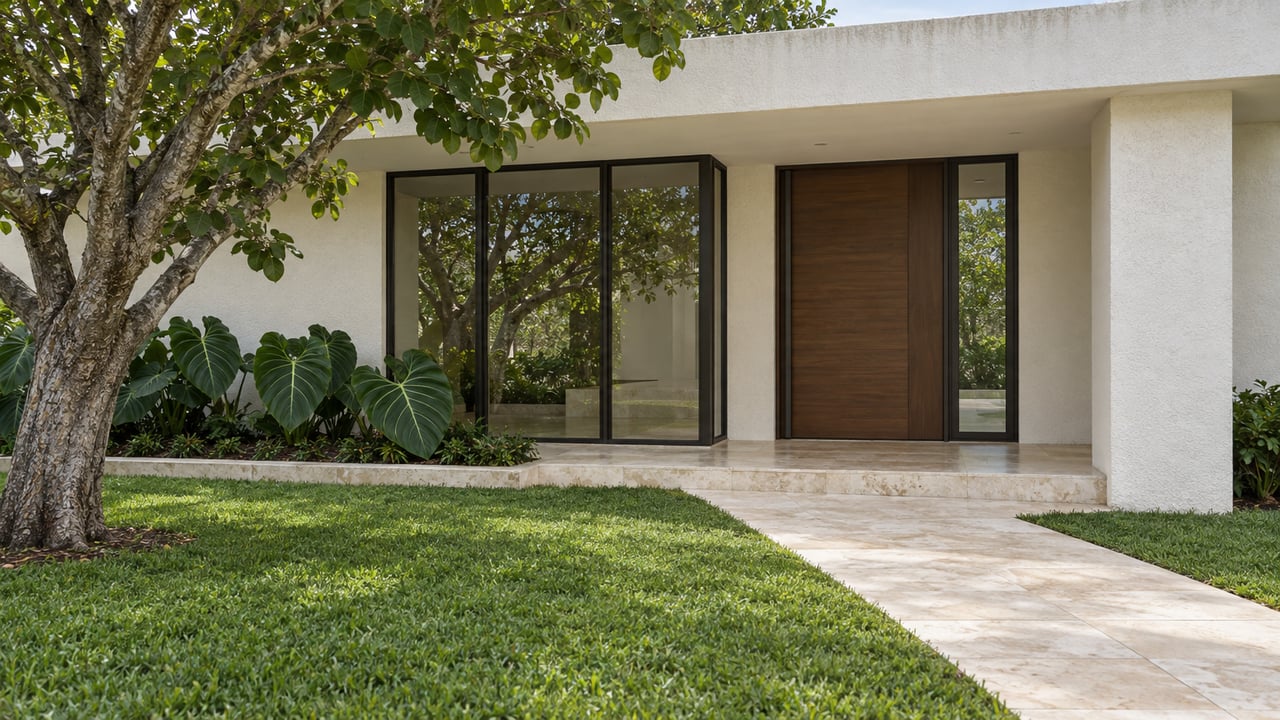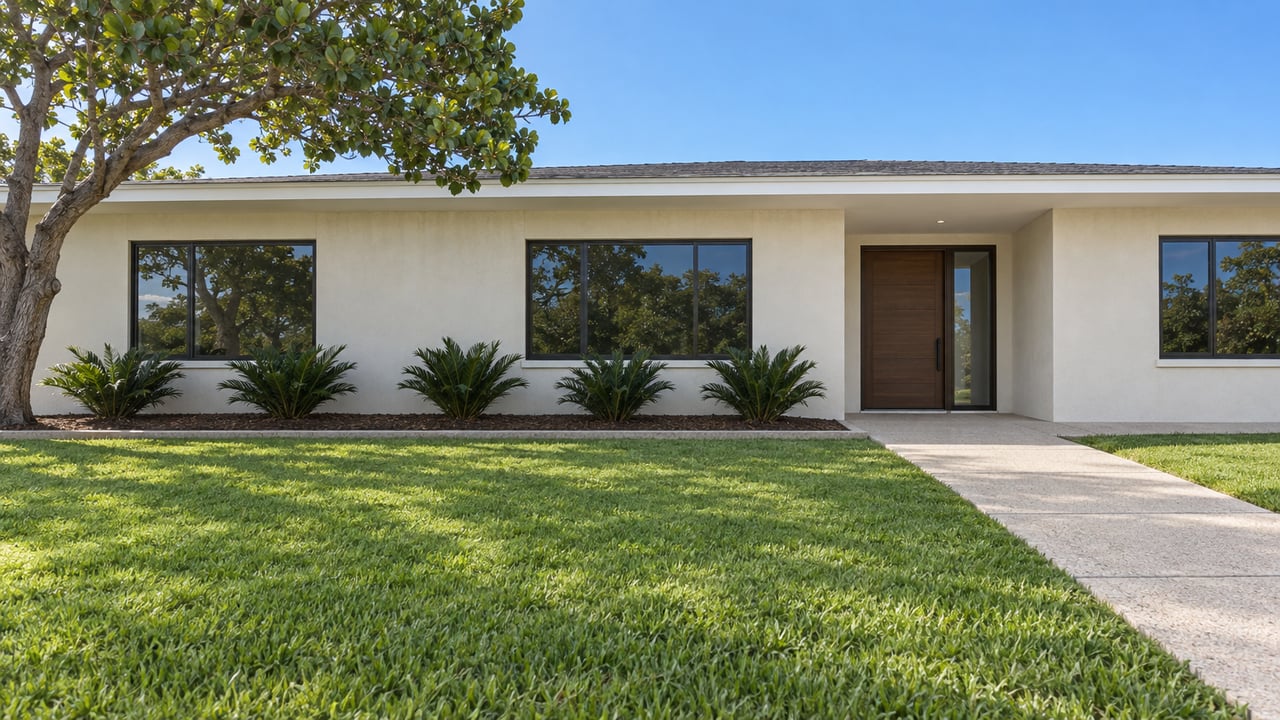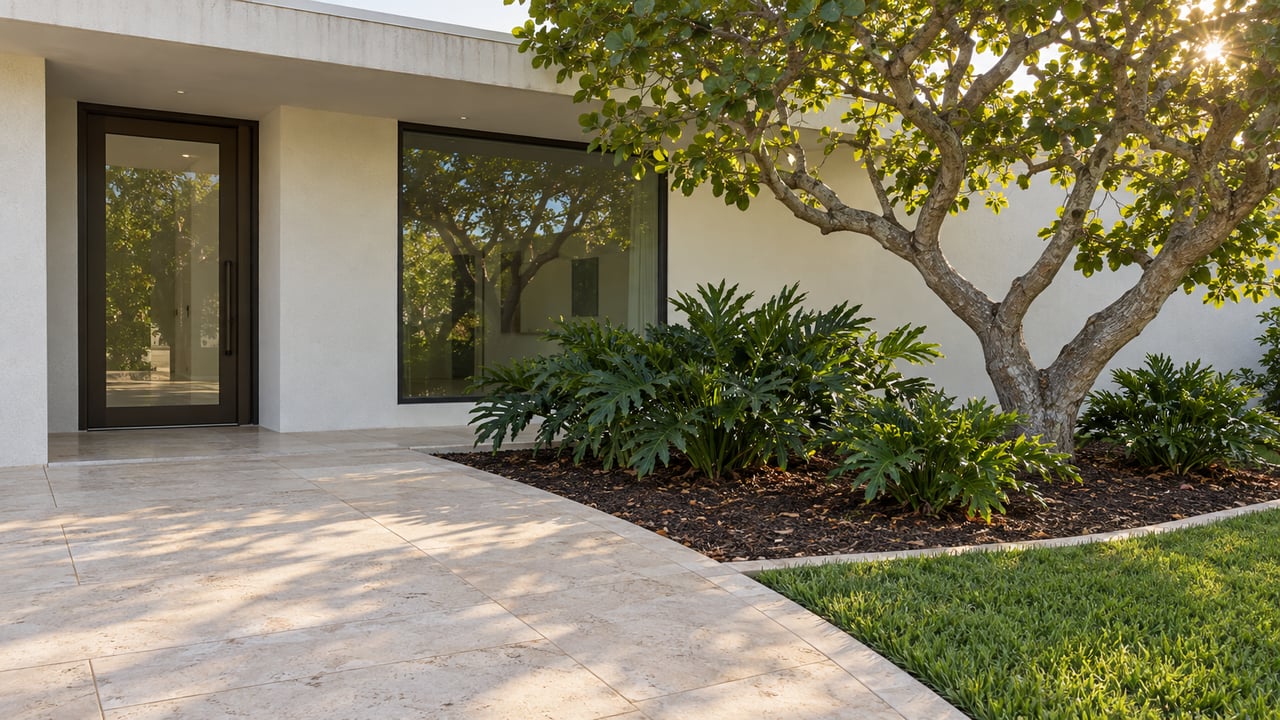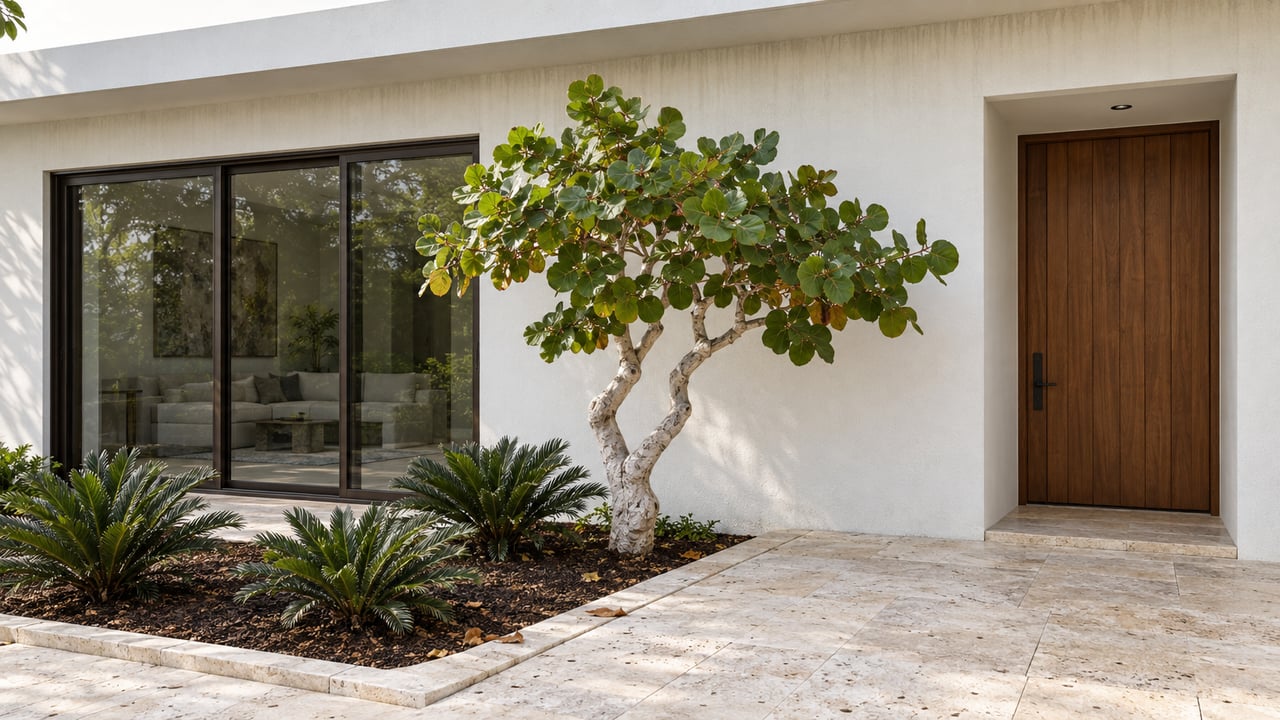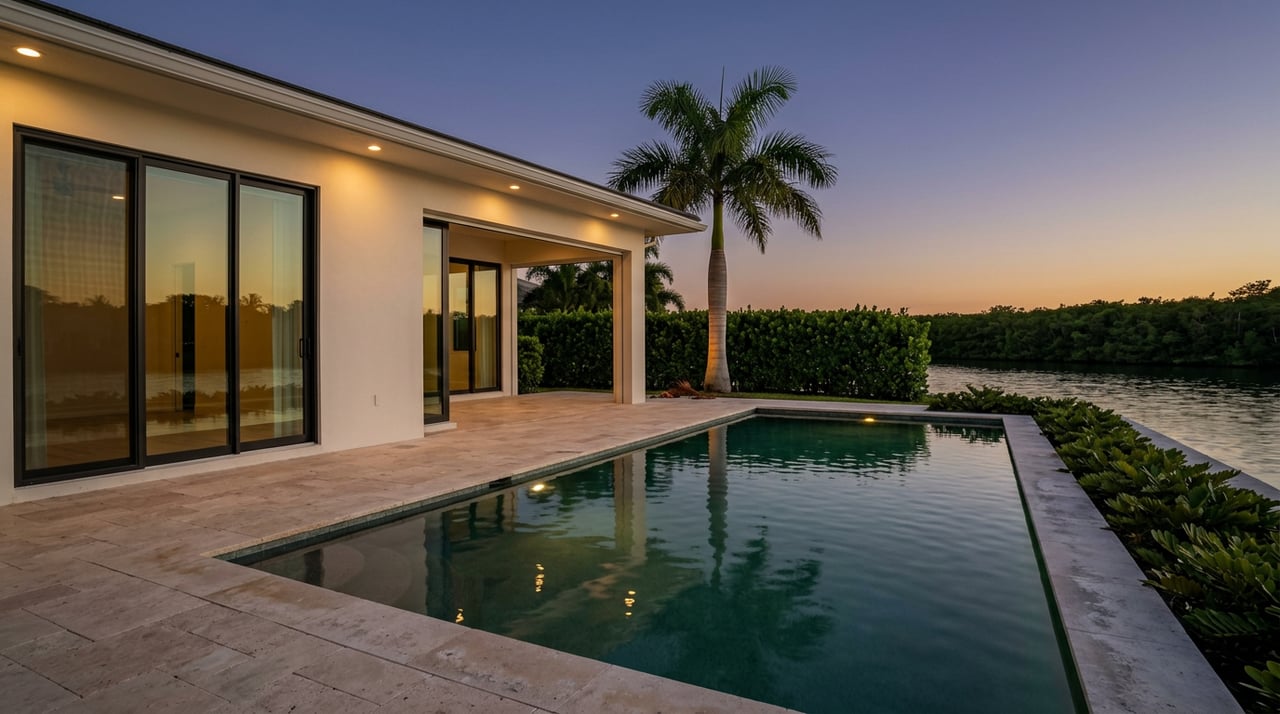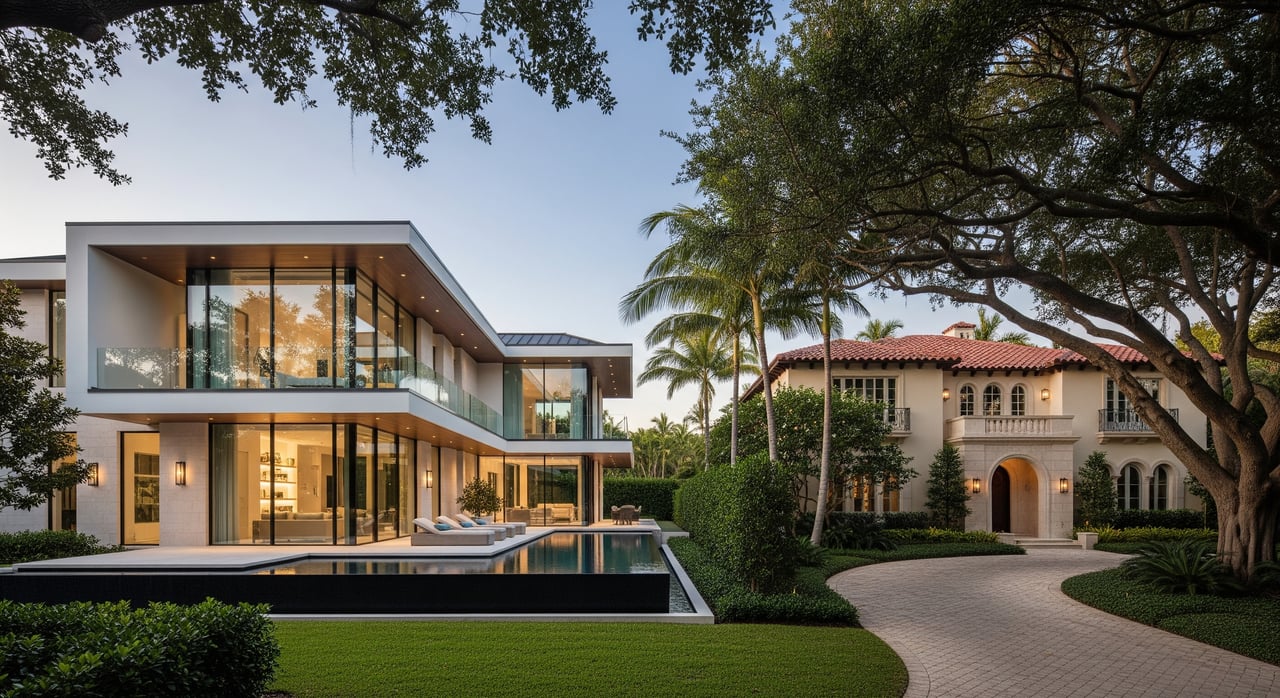
Choosing between a brand‑new build and a resale in Pinecrest can feel like picking paths that lead to very different kinds of wins. You might want speed and turnkey convenience, or you may be dreaming about a custom design with the latest hurricane‑ready systems. Maybe the canopy and privacy of an established lot matter most. In this guide, you’ll get a clear, Pinecrest‑specific breakdown of timelines, permits, inspections, costs, and negotiation strategies so you can move forward with confidence. Let’s dive in.
Pinecrest at a glance
Pinecrest is a low‑density village with large lots and a mature tree canopy. The landscaping and privacy many buyers want can also shape what you can build and how quickly you can do it. Lot size, setbacks, and tree preservation rules are key parts of the planning conversation.
Inventory is often limited at the luxury level, which affects time‑to‑move and pricing power. Truly turnkey resales and high‑quality spec homes can command a premium. Appraisals can be tricky because there are fewer comparable sales at the top end.
Pinecrest sits within Miami‑Dade’s regulatory environment. New construction must meet Florida Building Code standards, and many parcels may involve flood and drainage reviews. Always verify parcel‑level details, including flood zone and elevation, before you commit.
New construction in Pinecrest
Timeline and process
If you buy a spec home that is permitted and close to completion, you can often close within weeks to a few months. Custom builds typically range from 9 to 18 months depending on scope, site work, and approvals. Local bottlenecks can include tree protection permits, plan review cycles, and utility tie‑ins.
Start with a realistic schedule that accounts for permitting and inspections at each stage. Build in time for weather, subcontractor availability, and any required tree mitigation.
Permits and approvals
New builds require county building permits and may also need village‑level approvals. Tree work often requires separate permits, mitigation plans, and root zone protection. Easements, setbacks, and drainage standards can adjust your footprint and pool placement. For custom homes, budget both time and soft costs to navigate these steps.
Warranties and inspections
Many builders follow a common warranty framework: 1 year for workmanship and finishes, 2 years for major systems, and 10 years for structural coverage. Terms vary, so confirm start dates, exclusions, and claim procedures in writing.
Use independent inspections at key milestones. Typical checkpoints include pre‑slab, pre‑drywall, and a detailed final walk‑through with a punch list. Make sure the contract gives you access for inspectors and defines how punch list items will be handled before and after closing.
Financing and appraisal risk
Custom builds often require a construction loan, with interest‑only payments during the build and lender draw inspections. Spec homes may qualify for conventional financing with timelines similar to resales. Appraisal gaps can occur when a new home’s features outpace recent local comps. Have a strategy for appraisal risk, especially at the luxury level.
Negotiation dynamics with builders
Your leverage depends on market conditions and the builder’s pipeline. Common concessions include design‑center credits, upgrade allowances, closing cost contributions, and flexible occupancy dates. Watch for clauses about change orders, escalation for materials, and liquidated damages for delays. Have a real estate attorney review the builder’s contract.
Buying a resale in Pinecrest
Timeline and contingencies
Most resales close in about 30 to 60 days with financing. Cash deals can be faster. Timelines depend on inspections, appraisal, title work, and any seller needs like a post‑closing occupancy or leaseback.
Work with a clear calendar for each contingency so you protect your earnest money and keep the deal on track.
Inspections and insurance reports
Plan for a full inspection suite: general home, roof, HVAC, plumbing, electrical, and pool if present. South Florida insurers often ask for wind‑mitigation and four‑point inspections. A wood‑destroying organism report is common and may be required by some lenders.
These reports can influence both negotiation and insurance premiums. Get quotes early if roof age or hurricane features are unclear.
Condition and renovations
Older Pinecrest homes may offer mature landscaping and a sense of place. They can also bring deferred maintenance or a need for modernization. Budget for items like roofs, impact windows, HVAC, and irrigation. Tree work, pool additions, or major regrading may trigger permits and mitigation costs.
If you plan to renovate, get contractor opinions early and factor soft costs, permit timelines, and staging of work.
Financing and appraisal
Conventional loans for resales are usually straightforward. FHA and VA loans come with additional inspection requirements that can affect negotiations. Appraisals may be more predictable than for new builds, but unique luxury features can still challenge valuation.
Negotiation dynamics with sellers
Typical levers include price, repair credits, closing cost help, and timing. In a low‑inventory luxury micro‑market, sellers may hold leverage. Visible maintenance issues or projects that require permits can create room for negotiation if you document findings with credible reports.
Lot, canopy, and zoning factors to check
Pinecrest’s tree canopy and large lots are core to lifestyle and value. They also set practical limits:
- Tree preservation rules can affect additions, new pools, and driveway changes. Many removals require permits and mitigation.
- Setbacks, impervious coverage, and height rules shape your buildable envelope. Always verify with the village planning department before finalizing designs.
- Flood zone, base flood elevation, and drainage standards can impact pad height and stormwater systems, adding cost and time.
- Utility easements and drainage swales may limit where you can build or place a pool. Get a current survey and review title for recorded restrictions.
Decision framework: Which path fits you
If you need to move fast
- Favor completed spec homes or well‑maintained resales.
- Target properties with clean permit histories and newer roofs or impact features.
- Line up financing early and keep contingencies tight but realistic.
If you want full customization
- Choose a custom build and plan for 9 to 18 months.
- Start with a tree survey and concept plan that respects setbacks and canopy.
- Confirm your rights to inspections during construction and the builder’s warranty terms.
If you value character and mature canopy
- Focus on resales with established landscaping and privacy.
- Budget for updates and potential tree work or mitigation.
- Verify past permits for any additions or pool work.
Budget and risk tolerance
- New construction often brings higher soft costs and appraisal risk, but you get new systems and current hurricane standards.
- Resales can offer lower entry price or renovation value, but you must plan for maintenance and permitting if you remodel.
- Prioritize long‑term value stability over short‑term savings by confirming flood, drainage, and title constraints up front.
Pinecrest buyer due diligence checklist
- Survey and site: current boundary and topographic survey, setbacks, easements, and root zone mapping.
- Trees: arborist report and permit requirements for any removals or work near root zones.
- Permits: status of new build permits or resale permit history, plus any open permits or code issues.
- Flood and drainage: FEMA and county flood maps, base flood elevation, and on‑site drainage requirements.
- Utilities: location of sewer, water, gas, and electrical, plus any planned neighborhood upgrades.
- Warranties and inspections: builder warranty structure, independent inspection access, and punch list terms.
- Financing and appraisal: lender pre‑approval, appraisal feasibility at your target price, and construction loan options if custom.
- Insurance: preliminary quotes based on roof age, impact ratings, and wind‑mitigation or four‑point results.
- Covenants and restrictions: deed restrictions, HOAs, and any design or use rules that affect your plans.
Negotiation playbooks
For new builds
- Ask for upgrade allowances, design credits, and clear inclusion lists for appliances and landscaping.
- Define change orders, cap costs for specific items, and set realistic completion timelines with remedies for delays.
- Clarify warranty start dates and service response times in writing.
For resales
- Use inspection findings to request repairs or credits, and consider escrow for items that need multiple bids.
- Align price with recent comparables and note any appraisal‑sensitive features.
- Negotiate occupancy terms if the seller needs time to move.
For both
- Get a detailed inclusion list to avoid surprises at closing.
- Protect your timeline by confirming title, permits, and insurance early.
- Keep communication documented and milestone‑driven to reduce friction.
Your team and timing
A strong team lowers risk and speeds decisions. Your core group should include a Pinecrest‑experienced real estate agent, a real estate attorney for builder or complex contracts, an independent inspector familiar with South Florida construction, an arborist for tree matters, and a lender experienced with construction loans if you are building.
Involve your team before you sign anything. Early planning with the village and county can save months by aligning design with canopy, setbacks, and drainage requirements.
Final thoughts
There is no one‑size‑fits‑all answer in Pinecrest. If speed and a turnkey lifestyle matter most, a completed spec home or polished resale can be the right move. If you want a one‑of‑a‑kind estate with current hurricane standards, a custom build can deliver, provided you plan for timelines, permits, and appraisal risk. The key is matching your priorities to the market realities on your short list of properties.
If you want a local guide who blends luxury market insight with hands‑on deal management, connect with Surelis Yanes. We will map your path, line up inspections and permits, and negotiate with clarity from offer to close. Hablamos español.
FAQs
What is the typical timeline to close on a new construction home in Pinecrest?
- Completed or near‑completed spec homes often close within weeks to a few months, while custom builds usually require 9 to 18 months from contract to completion.
How do builder warranties work for Florida new construction?
- Many builders offer 1 year on workmanship, 2 years on systems, and 10 years on structural items, with exact terms, start date, and exclusions defined in the contract.
What inspections are needed for a South Florida resale home?
- Plan for general, roof, HVAC, plumbing, electrical, and pool if applicable, plus insurance‑driven four‑point and wind‑mitigation reports and a wood‑destroying organism inspection.
How do Pinecrest tree permits affect building or adding a pool?
- Tree preservation rules often require permits and mitigation for removals or work near root zones, which can influence pool placement, timelines, and cost.
How does flood zoning impact a Pinecrest purchase or build?
- Flood zone and base flood elevation can drive pad height and drainage requirements for new builds and can affect insurance costs for resales, so verify parcel‑level details early.