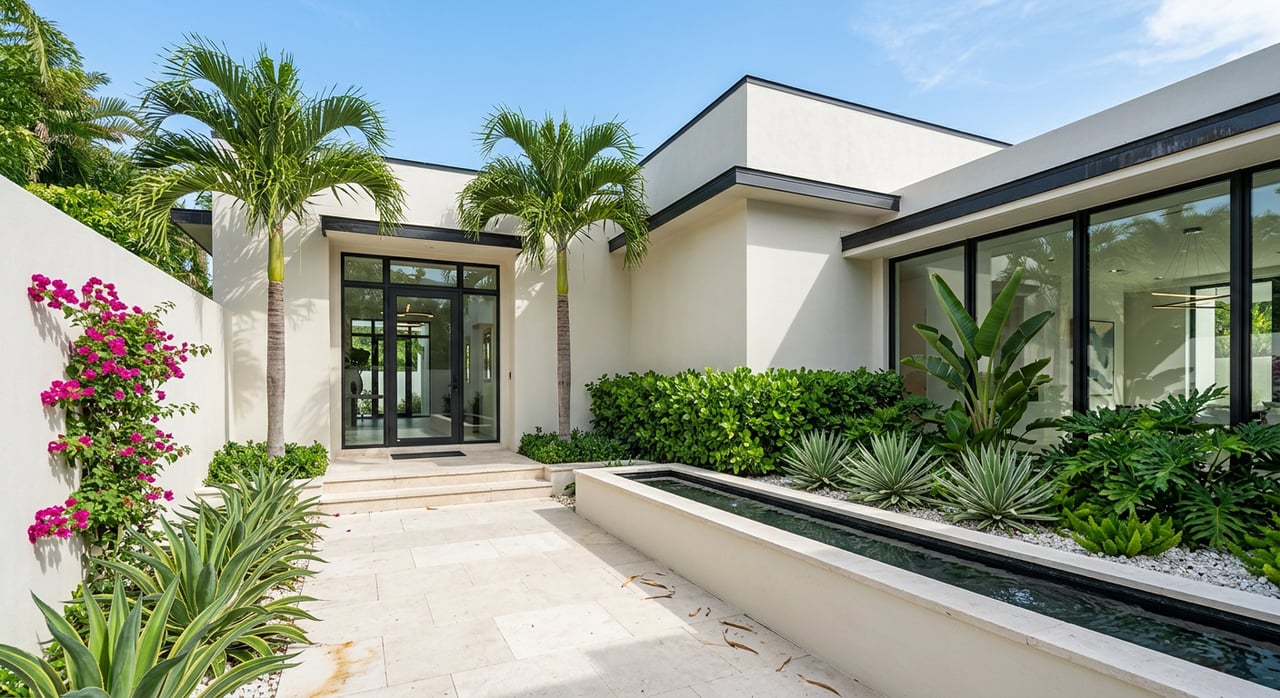
Trying to choose between a Coral Gables condo and a single-family home? You are not alone. Both paths offer a great lifestyle but come with very different costs, rules, and maintenance responsibilities. In this guide, you will see how prices, monthly fees, insurance, flood risk, and resale potential compare so you can make a confident call. Let’s dive in.
Coral Gables market snapshot
Coral Gables is a premium, low-supply market. Recent snapshots show citywide medians in the seven figures, with a wide spread by property type. As of January 2026, one major portal reported a median sale price near $1.65 million, and another showed a December 2025 median listing price around $1.93 million. In Q3 2025, another data source showed a median around $1.5 million for single-family homes versus about $500,000 for condos. Medians vary by data source and neighborhood, so use building-level and block-level comparisons.
Price per square foot often sits in the high hundreds. Waterfront estates and historic or fully remodeled homes command premiums. Many condo buildings cluster near downtown Coral Gables, Miracle Mile, and Merrick Park, which can support higher per-square-foot pricing for newer or amenity-rich towers. Inventory remains constrained in core areas, though some recent months show longer days on market than the pandemic highs.
What lifestyle fits you?
When a condo makes sense
- You want lock-and-leave ease with minimal personal maintenance.
- You value amenities like a pool, gym, and concierge.
- You prefer walkability to dining, shopping, and services around Miracle Mile and Merrick Park.
- You are comfortable with HOA rules, fees, and potential special assessments.
When a single-family home fits
- You want private outdoor space and more control over renovations.
- You prefer fewer shared rules or restrictions.
- You can handle variable maintenance, from roof and HVAC to landscaping and pool care.
- You are thinking long-term about land scarcity and potential wealth-building.
Total cost comparison
Your true monthly number includes mortgage, taxes, insurance, and either HOA dues or owner maintenance. Budget conservatively and verify building and parcel details before you write an offer.
Condos: HOA and assessments
- Monthly HOA fees often range from roughly $400 to $1,500 or more, depending on building age, amenities, included utilities, and master insurance. Many Miami-Dade buildings have seen fees rise in recent years due to higher insurance and stronger reserve requirements.
- Ask for the HOA’s current budget, most recent reserve study, master insurance schedule, and board meeting minutes. These reveal fee stability and whether major work is ahead.
- Special assessments are common after statewide inspection reforms. Always check for current or pending assessments before you commit.
Single-family homes: maintenance and reserves
- Use the 1 percent rule of thumb. Many owners budget around 1 percent of home value per year for maintenance, adjusting higher for older homes, pools, and large lots. See the guidance on annual upkeep from a national finance resource in its overview of the home maintenance budget. Investopedia’s maintenance budget guidance can help you plan.
- Build a reserve for big-ticket items like roof replacement, HVAC systems, exterior painting, and driveway or seawall work.
Taxes and insurance: both property types
- Effective property tax rates for primary residences in Miami-Dade commonly fall around 0.8 percent to 1.1 percent of market value, but bills vary by exemptions and city millage. For parcel-level estimates and exemption history, use the Miami-Dade Property Appraiser.
- Florida property insurance costs remain higher than many U.S. regions. There has been some premium relief reported in 2025 and 2026, but premiums in coastal South Florida still vary widely by building, elevation, roof age, and claims. See context from Florida’s Office of Insurance Regulation and request 3 to 5 years of insurance history.
Safety, inspections, and risk
Condo recertification and milestone inspections
Florida’s milestone inspection law requires structural inspections for condo buildings three stories or taller. In Miami-Dade, coastal buildings within roughly 3 miles of the shoreline generally require inspections at 25 years, and inland multifamily buildings at 30 years, with follow-ups every 10 years. Confirm whether the building completed its required recertification and whether any Phase 2 or repair orders are open. Learn why these rules matter in this overview from the American Bar Association and verify status via Miami-Dade’s Building Recertification portal.
Flood zones and elevation
Coral Gables includes areas at different elevations. Some blocks are more flood-exposed, others sit on higher ground. Flood insurance requirements and premiums depend on FEMA flood zones and elevation. For parcel-level checking, use the FEMA Flood Map Service Center and ask the seller or HOA for any elevation certificate on file.
Rentals, financing, and resale
Short-term rental rules in Coral Gables
Short-term, nightly or weekly rentals are generally not allowed in most single-family residential districts in Coral Gables. Transient lodging uses are typically limited to commercial zones, and condo declarations often add further limits. Review municipal zoning guidance via Coral Gables’ code reference and confirm building rules before you model rental income.
Condo financing and buyer pools
Some older or undercapitalized condo buildings are harder to finance with FHA, VA, or conventional agency loans. Lenders review HOA reserves, special assessments, insurance coverage, litigation, and rental limits. A smaller pool of eligible loans can affect days on market and resale. Regional data show strong condo activity in some price brackets, but lending standards vary by building. For wider county context, review a recent MIAMI Realtors market update.
Resale patterns to watch
Single-family homes in Miami-Dade have shown sustained multi-year appreciation. Condos have also appreciated, but performance varies more by building health, reserves, and lender eligibility. In Coral Gables, land scarcity and demand for well-located single-family homes support long-term value. For condos, focus on building-level data, not just citywide medians.
A quick decision framework
Lean condo if you want:
- A low-maintenance lifestyle with shared amenities.
- Walkability and concierge-style services.
- A predictable monthly HOA line item and smaller in-unit upkeep.
Lean single-family if you want:
- Control over your property and room to renovate or expand.
- Private outdoor space and less exposure to HOA rules.
- Long-term wealth-building tied to land scarcity.
Either way, verify:
- Flood zone and elevation, plus past flood or wind claims.
- Insurance quotes and roof/electrical/plumbing age.
- Monthly costs over 3 to 5 years, not just year one.
What to request before you decide
For condos
- Current HOA budget and most recent reserve study.
- Board meeting minutes for the past 12 months and a list of special assessments.
- Master insurance policy and recent claims history.
- Milestone inspection and recertification status, with any Phase 2 reports or open permits. Cross-check on the Miami-Dade Recertification portal and review the ABA overview of milestone inspections.
- Leasing rules and whether the building is eligible for common loan programs.
For single-family homes
- Full home inspection, plus roof, HVAC, pool, and any septic or seawall records.
- Flood zone and elevation certificate, if available. Check the FEMA Flood Map Service Center.
- A realistic annual maintenance budget. Use the 1 percent guidance as a starting point and tailor it to the home’s age and features with help from Investopedia’s budget overview.
For both
- Parcel-level tax and exemption history from the Miami-Dade Property Appraiser.
- Three to five years of insurance premium history and a current quote.
- Municipal zoning and any short-term rental limits. Start with Coral Gables’ zoning reference and confirm details in writing.
The bottom line
If you want convenience and amenities with a smaller maintenance footprint, a Coral Gables condo can be a smart choice, provided the HOA has strong reserves and clear inspection history. If you want control, outdoor space, and long-term scarcity value, a single-family home often wins, but plan for variable upkeep and insurance. The right answer depends on your lifestyle and risk comfort as much as your budget.
Ready to compare real numbers, building health, and neighborhood-by-neighborhood tradeoffs? Connect with a local advisor who blends market insight with transactional expertise. If you prefer service in English or Spanish, and want a hands-on partner from search to closing, reach out to Surelis Yanes. Let’s connect.
FAQs
What are typical condo HOA fees in Coral Gables?
- Many buildings fall between about $400 and $1,500 per month, with higher fees in full-service or waterfront properties. Always review the HOA budget, reserves, and any special assessments.
How do Coral Gables flood zones affect insurance costs?
- Flood insurance needs depend on FEMA zones and elevation. Use the FEMA Flood Map Service Center and request any elevation certificate to understand coverage requirements and likely premiums.
Are short-term rentals allowed in Coral Gables single-family homes?
- Short-term, nightly or weekly rentals are generally not permitted in most single-family residential districts. Check local rules via Coral Gables’ zoning reference and confirm restrictions for a specific address.
What condo documents should I review before buying?
- Ask for the HOA budget, reserve study, master insurance, board minutes, any special assessments, and milestone or recertification reports. You can also check status on Miami-Dade’s recertification portal.
How do Miami-Dade property taxes work for a primary home?
- Effective rates often fall around 0.8 percent to 1.1 percent of market value, but exemptions and city millage matter. Review parcel history and estimate bills with the Miami-Dade Property Appraiser.
Are Coral Gables condos harder to finance than homes?
- Some condo buildings face stricter lending due to reserves, assessments, or insurance. That can limit loan options and affect resale. For broader market context, see a recent MIAMI Realtors update.