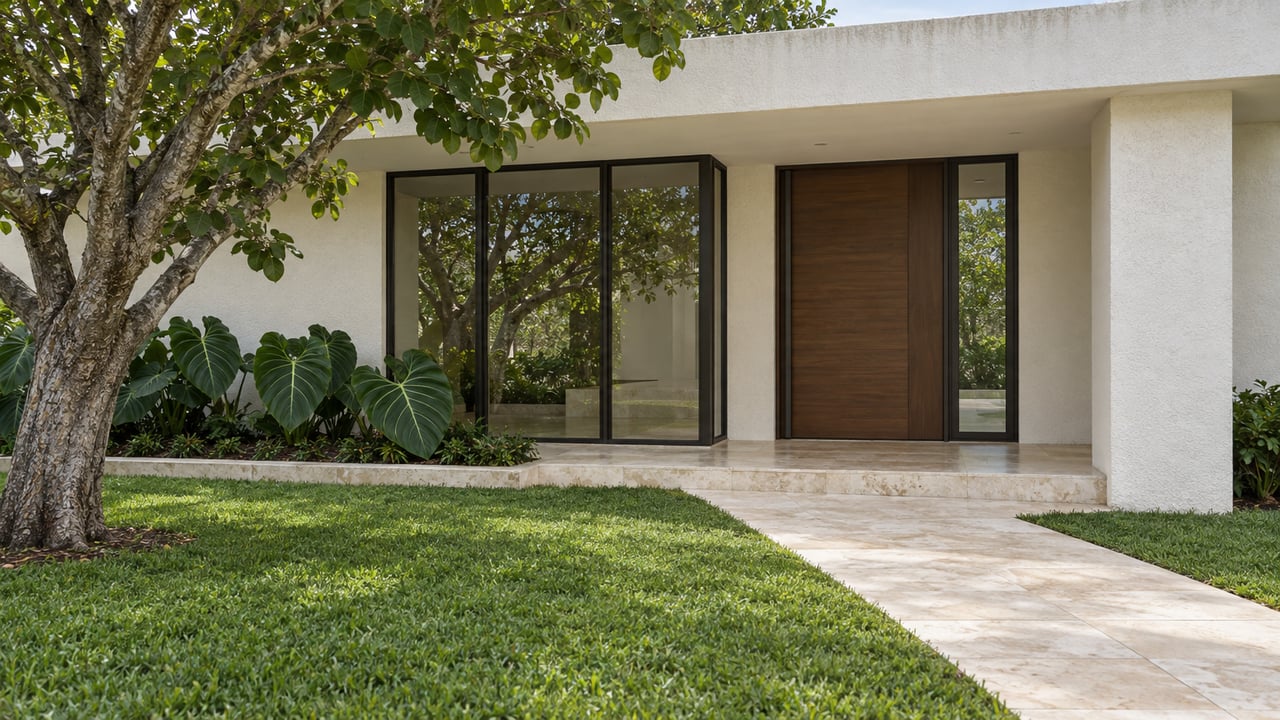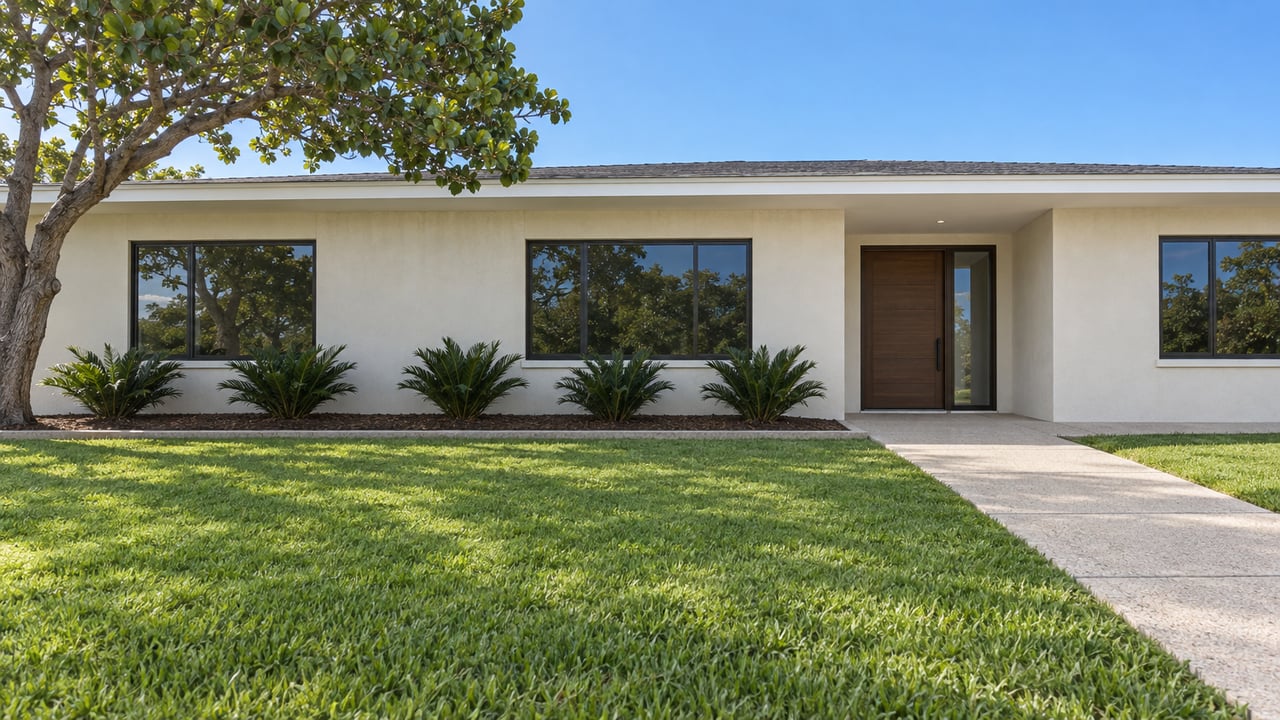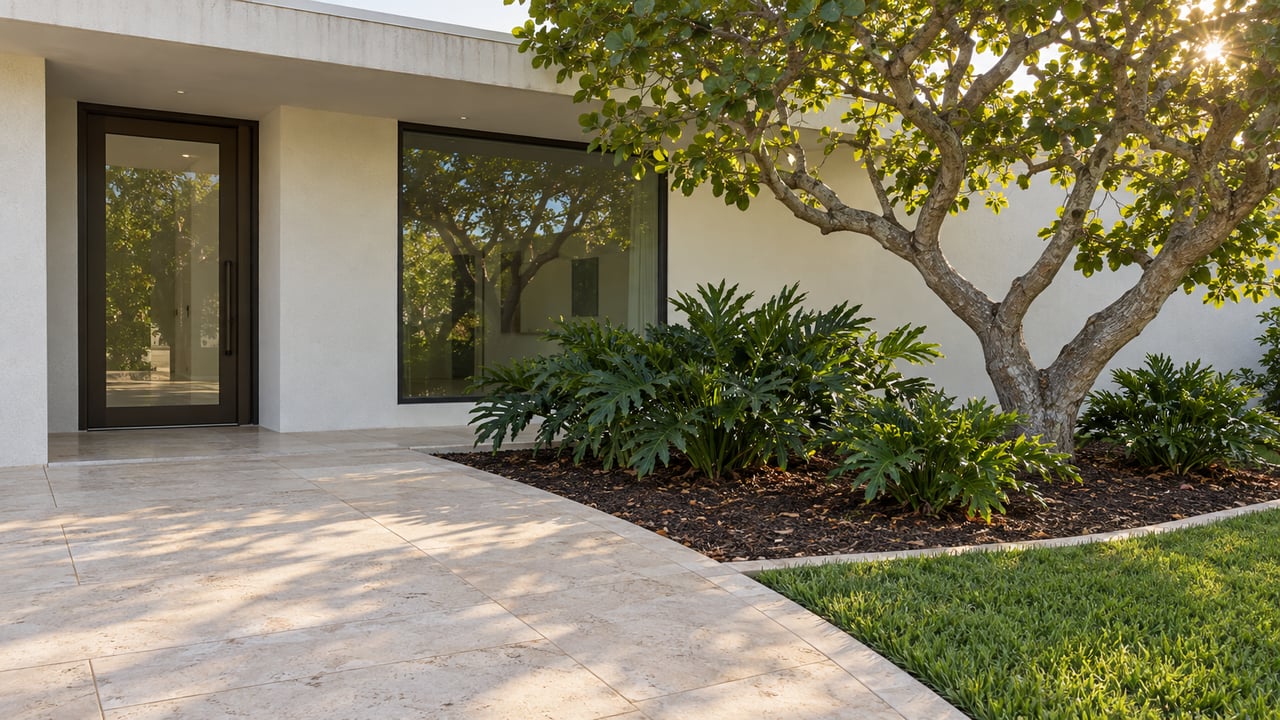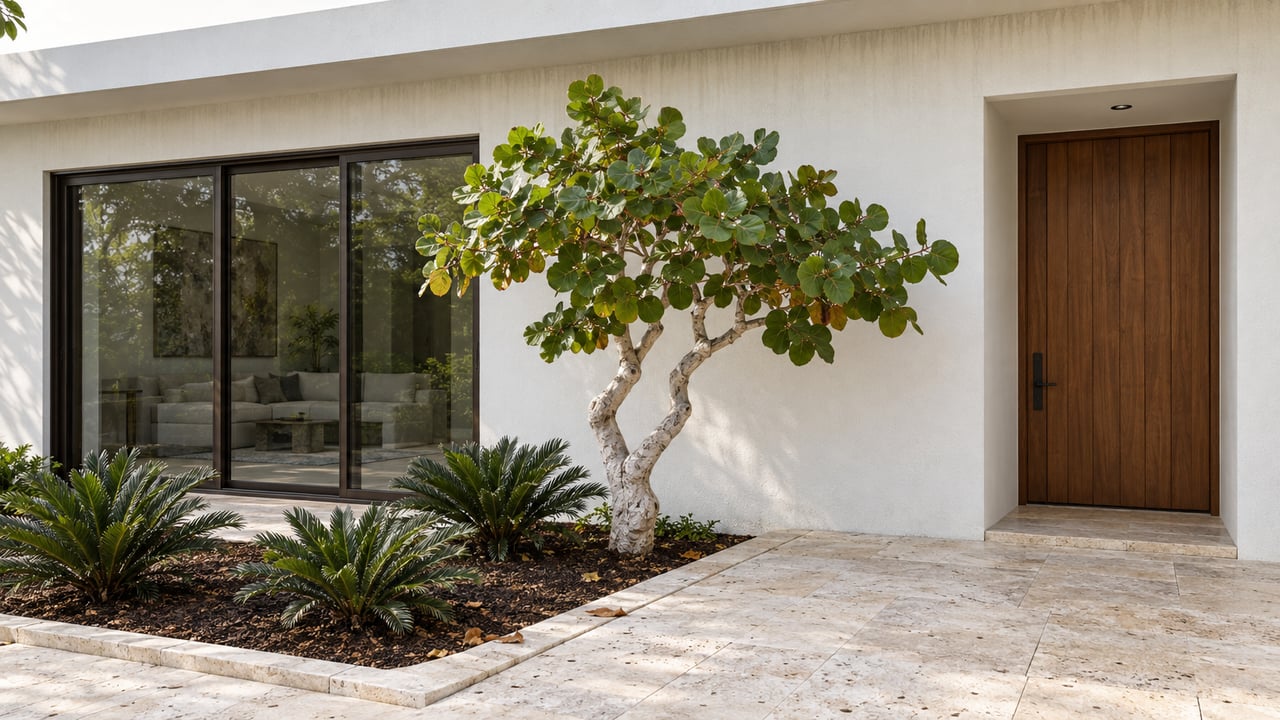
Thinking about moving up in Pinecrest? This is not a market where you simply buy a bigger house and call it a day. In a village known for estate-style living, mature tree canopy, and high-value homes, the right move-up purchase is about how well a property fits your lifestyle now and how well it holds value later. This guide will walk you through what move-up buyers tend to prioritize in Pinecrest Estates, from lot size and outdoor living to timing, permits, and resale strategy. Let’s dive in.
Why Pinecrest appeals to move-up buyers
Pinecrest is built for buyers who want more space, more privacy, and a more residential feel while staying connected to the greater Miami area. The village has about 18,388 residents across roughly eight square miles, with an owner-occupied housing rate of 82.8%, a median owner-occupied home value of $1,406,400, and a median household income of $206,417, according to the Village of Pinecrest resident data.
That context matters because Pinecrest functions very differently from the broader county market. MIAMI Realtors market data reported a Pinecrest single-family median sale price of $2.832 million in Q4 2024, far above Miami-Dade County’s single-family median sale price of $699,990 in January 2026. For many move-up buyers, Pinecrest is a luxury-tier step up driven by equity, long-term lifestyle goals, and property quality.
Pinecrest’s planning framework also supports the character many buyers want. The village’s comprehensive development plan emphasizes low-density residential patterns, preservation of open space, and compatibility with existing development. In practical terms, that often translates into stronger demand for privacy, lot depth, and usable outdoor space.
Lot size matters in Pinecrest
In many neighborhoods, square footage leads the conversation. In Pinecrest, land often carries just as much value as the house itself.
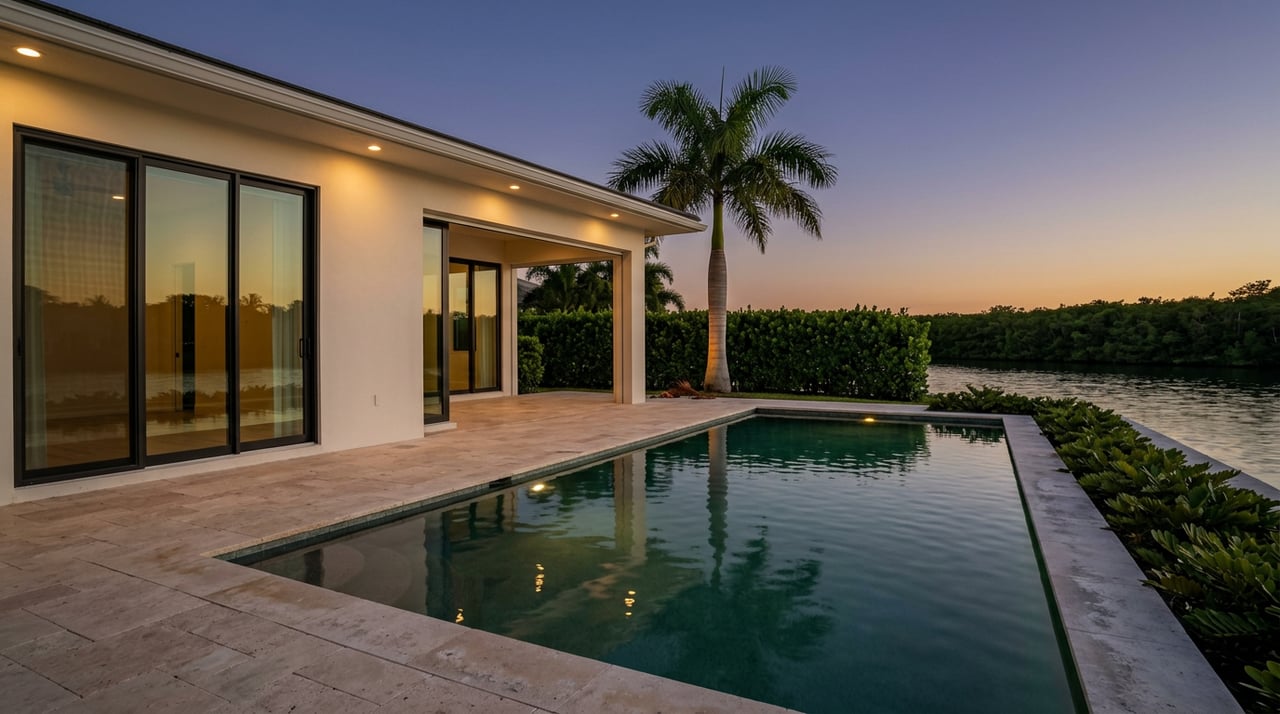
Because Pinecrest is known for estate-style properties and low-density residential character, move-up buyers usually pay close attention to how a lot feels, not just how large it is on paper. They want enough room for privacy, circulation, outdoor living, and future flexibility, whether that means a pool upgrade, expanded patio, or space for guests and entertaining.
The village’s commitment to preserving greenery reinforces that priority. Pinecrest notes that tree preservation and canopy expansion are ongoing priorities, and the village has planted more than 10,000 street trees since 1997. That mature, shaded setting is part of the appeal, especially if you are moving up from a denser neighborhood or a smaller lot.
What to assess beyond lot size
When you tour homes, focus on usable outdoor space, not just acreage.
Ask yourself:
- Is the backyard functional for how you actually live?
- Do trees create privacy, shade, or limitations for future plans?
- Is there room for outdoor dining, a pool, or a play area without crowding the lot?
- Are there easements, canal setbacks, or right-of-way issues that affect use?
A larger lot is not always the better lot. The better property is usually the one that gives you flexibility without creating unnecessary maintenance, permit, or design obstacles.
Outdoor living often drives the upgrade
In South Florida, outdoor living can feel like an extension of the home. For move-up buyers in Pinecrest, it is often one of the biggest reasons to make the jump.
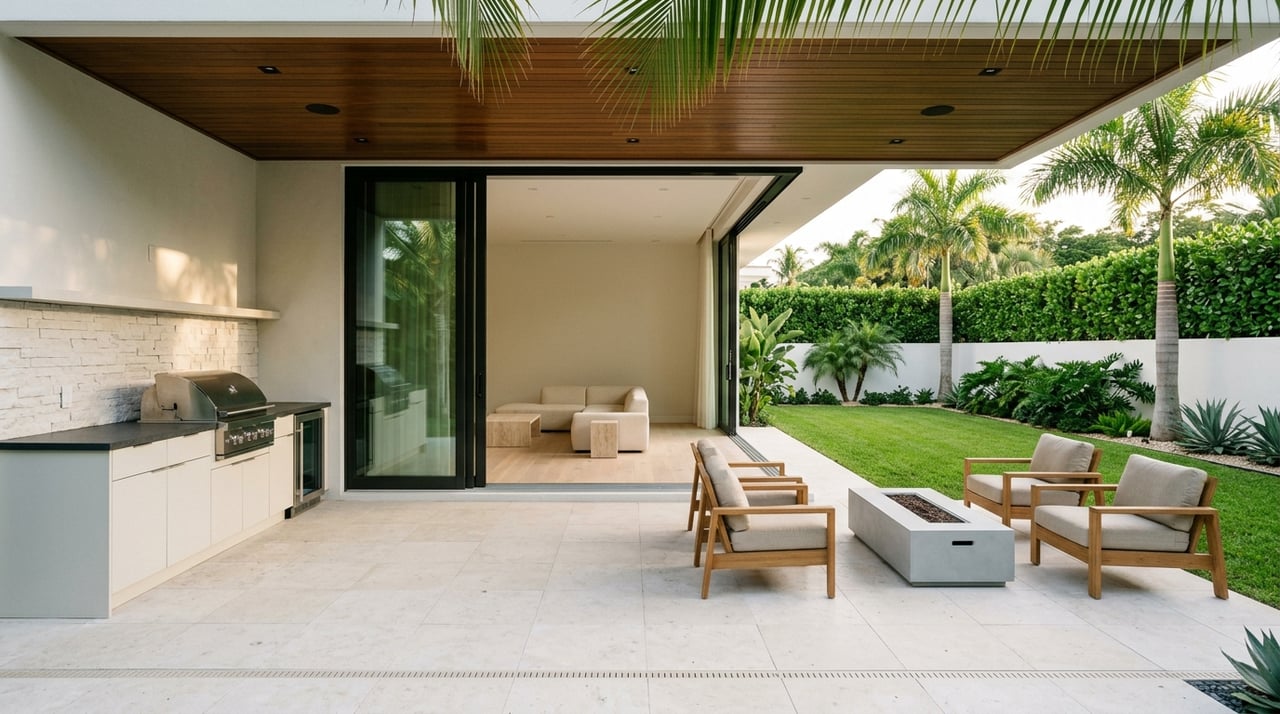
According to the NAHB 2024 buyer survey, the most wanted outdoor features include exterior lighting, patios, front porches, rear porches, and decks, with each desired by at least 75% of buyers. Interest in outdoor kitchens, fireplaces, and built-in grills rises with home price, which is especially relevant in Pinecrest’s luxury market.
That means move-up buyers often place a premium on features like:
- Covered terraces
- Pool decks with room to lounge and entertain
- Summer kitchens or grilling areas
- Shaded seating areas
- Well-planned exterior lighting
These features can improve your day-to-day lifestyle, but they can also strengthen resale appeal. In a market where buyers expect a polished indoor-outdoor experience, outdoor living is rarely treated as a bonus. It is part of the core value proposition.
Flexible layouts win over bigger layouts
More square footage helps, but layout quality usually matters more. Move-up buyers are often looking for a home that works across multiple needs at once.
The NAHB survey found strong interest in laundry rooms, dining rooms, great rooms, home offices, and separate living rooms. It also found that when buyers want a home office or exercise room, more than 70% want at least 100 square feet for that space.
In Pinecrest, that often translates into demand for homes with:
- Dedicated office space
- Guest rooms with privacy
- Open gathering areas for daily living
- Separate zones for work, hobbies, or exercise
- Floor plans that do not feel tight even at full occupancy
A move-up purchase should solve problems your current home cannot. If you work from home, host often, or need better separation between shared and private spaces, a thoughtful floor plan may outperform a larger but less efficient home.
Long-term livability matters more than you think
Many move-up buyers are not just buying for today. They are buying for the next chapter, and often the one after that.
That is why long-term livability deserves a close look. The NAHB accessibility findings show strong buyer interest in features like a full bath on the main level, wider doorways, wider hallways, non-slip flooring, and an entrance without steps.
You do not need to think of these features as strictly age-related. They can also make a home more practical for guests, multigenerational living, temporary mobility needs, or simply easier everyday use. In many cases, homes with first-floor suites or adaptable floor plans also appeal to a broader future buyer pool.
Efficiency and operating costs still matter
At Pinecrest price points, buyers are often focused on design and lifestyle, but that does not mean operating costs disappear. In fact, many move-up buyers are thinking carefully about efficiency, maintenance, and resilience.
The NAHB survey found strong demand for ENERGY STAR windows, ENERGY STAR appliances, efficient lighting, and whole-home efficiency ratings. It also found that 57% of buyers would pay at least $5,000 more for a home that saves $1,000 a year in utilities.
When comparing homes, look past the finish level and ask practical questions about:
- Window quality
- Appliance efficiency
- Lighting systems
- Ongoing utility costs
- Renovation quality and age of systems
A beautiful home that is expensive to operate may feel less compelling over time than one that pairs luxury with smarter performance.
Lifestyle value goes beyond the property line
A move-up purchase in Pinecrest is also about what surrounds the home. Lifestyle value is part of the reason many buyers choose the village in the first place.
The Village of Pinecrest Parks and Recreation Department manages nine parks and offers more than 150 programs. The department has also received national accreditation from CAPRA/NRPA, which the village says places it in the top 2% of parks departments nationwide.
Pinecrest is also investing in connectivity. Its Transportation Master Plan projects include shared-use path improvements designed to strengthen pedestrian and bicycle access. For buyers who value outdoor activity and neighborhood connectivity, these details can support the overall lifestyle equation.
Location is another advantage. Pinecrest offers a more estate-oriented setting while remaining south of Downtown Miami and Miami International Airport, according to the village’s resident overview. If you are balancing privacy with access, that positioning can be a major part of the appeal.
Timing the move-up matters
For many buyers, the hardest part of moving up is not choosing the home. It is coordinating the sale and purchase without creating unnecessary pressure.
This is especially important in Pinecrest because the market does not always move at the same pace as lower-priced areas. MIAMI Realtors reported that Pinecrest posted a 61-day median time to contract in Q2 2025 and homes received 90.1% of original list price. In Miami-Dade’s January 2026 single-family market, supply stood at 6.4 months and sellers received 94% of original list price, a balanced market environment rather than a guaranteed race.
That means your strategy may involve:
- Selling first
- Buying first
- Negotiating a rent-back
- Exploring bridge-style financing
- Structuring timelines around contingencies and cash flow
Equity often plays a major role. MIAMI Realtors also reported that Miami-Dade homeowners who bought a single-family home 15 years ago had a median equity position of $560,790 as of Q4 2025. If you are moving up in Pinecrest, that equity can become a powerful tool, but only if your timing strategy is clear.
Cash competition is still part of the picture
Even in a more balanced market, strong terms matter. Pinecrest had 17 cash sales out of 32 single-family closings in Q4 2024, and MIAMI Realtors reported that cash represented 44% of closed sales in Miami-Dade in January 2026.
If you are financing your purchase, the goal is not to compete with cash by guessing. It is to be fully prepared. A strong pre-approval, clean documentation, realistic timelines, and careful transaction planning can help your offer feel more competitive.
This is also where operational guidance matters. In a move-up purchase, every moving part affects the next one, from sale proceeds to title work to inspection timing.
Pinecrest due diligence is not optional
In Pinecrest, the details behind the property matter just as much as the property itself. Before you make an offer, it is smart to look closely at flood considerations, permit history, easements, and tree rules.
Check flood and elevation data early
The village participates in the National Flood Insurance Program and the Community Rating System, and it offers a flood protection resource page with access to a flood-zone viewer and elevation certificate information. The village also states that if a property is in a FEMA A zone, flood insurance is required for a federal or federally backed mortgage.
For a move-up buyer considering a larger lot, pool project, or future addition, this is worth reviewing before you commit. Flood-zone status can affect insurance, renovation plans, and long-term carrying costs.
Review permits before closing
Pinecrest is a permit-driven environment, especially for remodels, additions, and exterior improvements. The village’s permit guidance notes that unpermitted work may require removal or other costly remedies, and some lenders may not finance a purchase without proof of final inspection.
That means permit history is not just a technical issue. It can affect financing, resale, and your ability to improve the property later.
Understand easements and right-of-way limits
If you are buying for outdoor space, do not skip this step. The village’s right-of-way and utility easement guidance explains that permits are required for anything placed in the public right-of-way, including landscaping, sprinklers, and lighting.
The village also notes that canal embankment areas should remain clear of encroaching objects such as sheds, decks, or gazebos, and some improvements may require South Florida Water Management District permission. These restrictions can shape what you can actually build or place on the lot.
Factor in tree protection rules
Tree canopy is a major part of Pinecrest’s character, and it is regulated accordingly. The village’s tree preservation rules require permits for tree removal and replacement.
If you plan to add a pool, expand the house, or redesign the yard, those rules should be part of your early feasibility review. A home with mature trees may offer beauty and privacy, but it may also require a more thoughtful planning process.
Verify school assignments by address
School access can influence a move-up decision, but it should never be assumed. Pinecrest’s resident resources reference local public schools, including Palmetto Elementary, Pinecrest Elementary, Howard Drive Elementary, Palmetto Middle, and Miami Palmetto Senior High through the village’s school-related resource page.
Still, attendance boundaries can change through Miami-Dade County Public Schools’ review process. If school assignment is important to your search, the safest approach is to verify the specific address directly before moving forward.
What matters most in a Pinecrest move-up purchase
If you are moving up in Pinecrest, the best home is usually not the one with the longest feature list. It is the one that aligns location, lot, layout, and long-term practicality.
In this market, buyers often prioritize:
- Privacy and usable land
- Strong outdoor living spaces
- Flexible floor plans
- Long-term livability
- Efficiency and operating value
- Clear due diligence on flood, permits, easements, and trees
- A smart sale-and-purchase timing strategy
A confident move-up decision comes from looking beyond surface finishes and asking how the property will function for you over time.
If you are planning a move-up purchase in Pinecrest and want guidance that connects market strategy, property due diligence, and a smoother closing process, Surelis Yanes can help you build a plan that fits both your lifestyle and your long-term goals.
FAQs
What do move-up buyers prioritize most in Pinecrest homes?
- Move-up buyers in Pinecrest often focus on lot size, privacy, outdoor living, flexible layouts, and long-term usability, along with the property’s resale potential.
Is lot size or interior square footage more important in Pinecrest?
- In Pinecrest, both matter, but usable land often carries outsized value because the village’s low-density character and estate-style setting make privacy and outdoor space key parts of the appeal.
Are outdoor features important for Pinecrest resale value?
- Yes. In Pinecrest’s luxury-tier market, features like covered terraces, pool areas, exterior lighting, and summer kitchens often support both everyday enjoyment and broader buyer appeal.
How long does it usually take to get a Pinecrest home under contract?
- MIAMI Realtors reported a 61-day median time to contract for Pinecrest single-family homes in Q2 2025, so buyers and sellers should plan timelines carefully.
What should buyers check before making an offer on a Pinecrest home?
- Buyers should review flood-zone information, elevation data, permit history, utility easements, right-of-way restrictions, and tree preservation rules before moving forward.
Should Pinecrest buyers verify school assignments by address?
- Yes. School assignments should be confirmed directly by address because attendance boundaries can change and should not be assumed from neighborhood location alone.