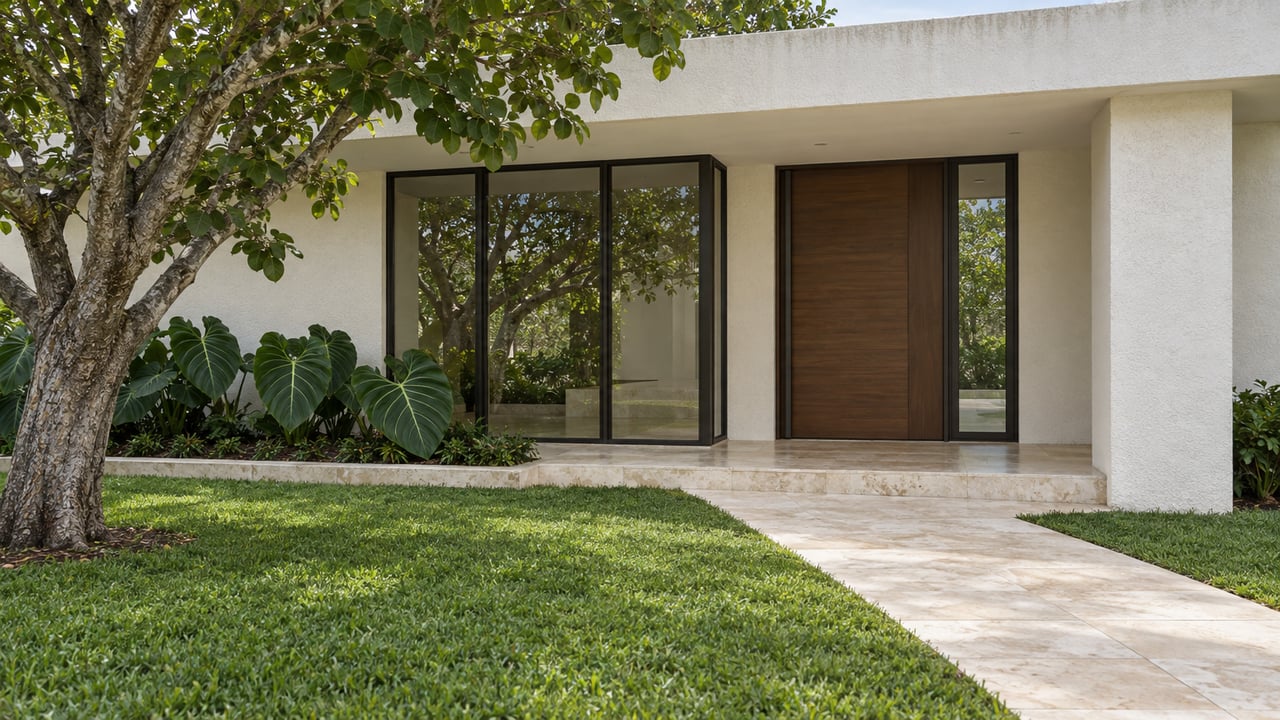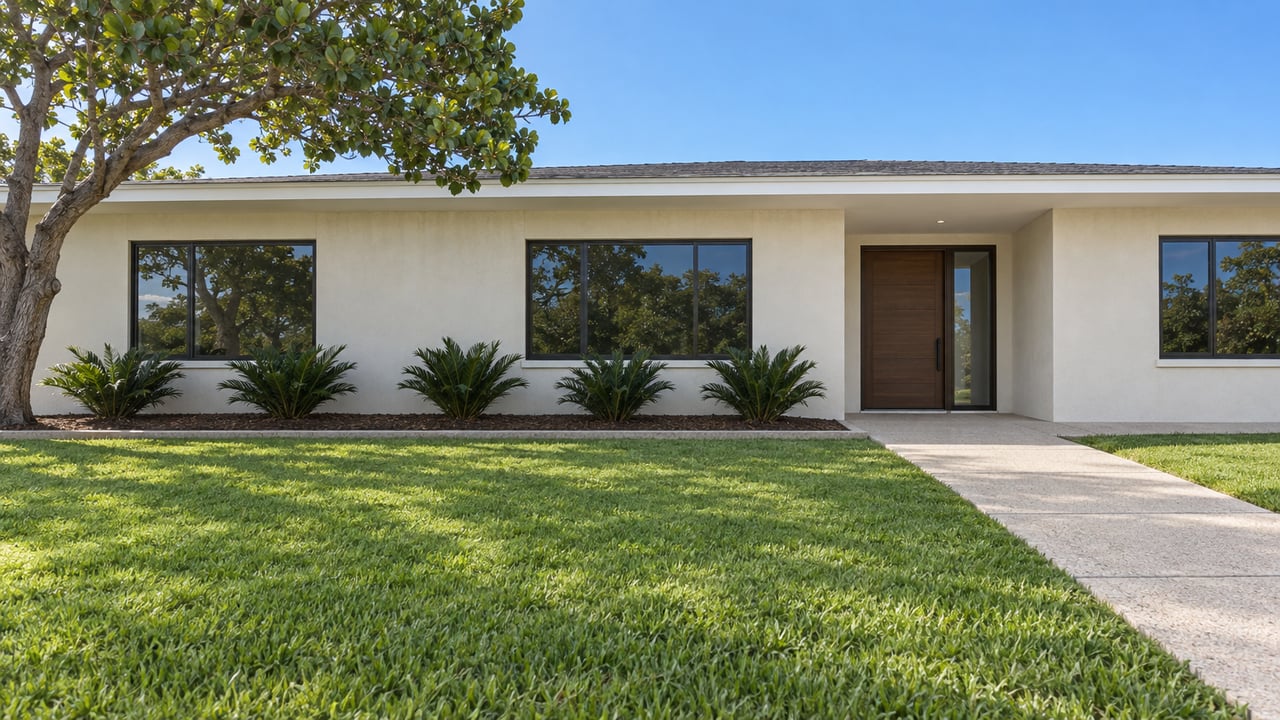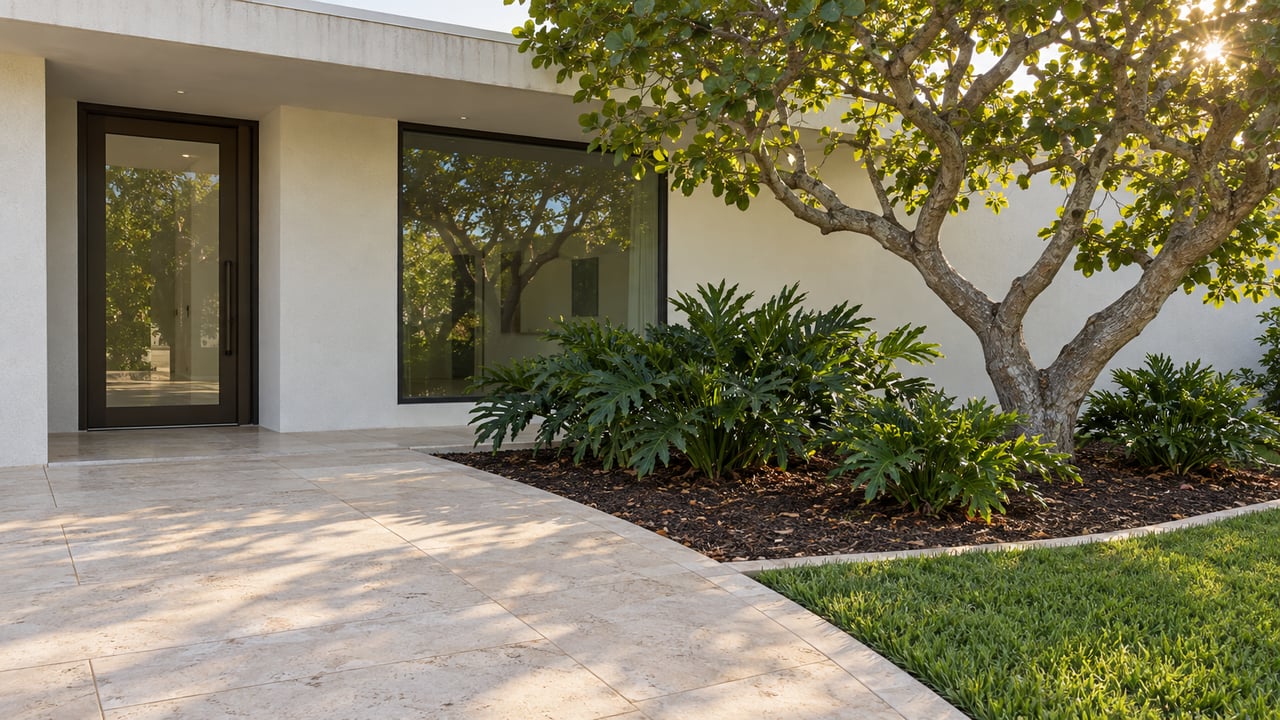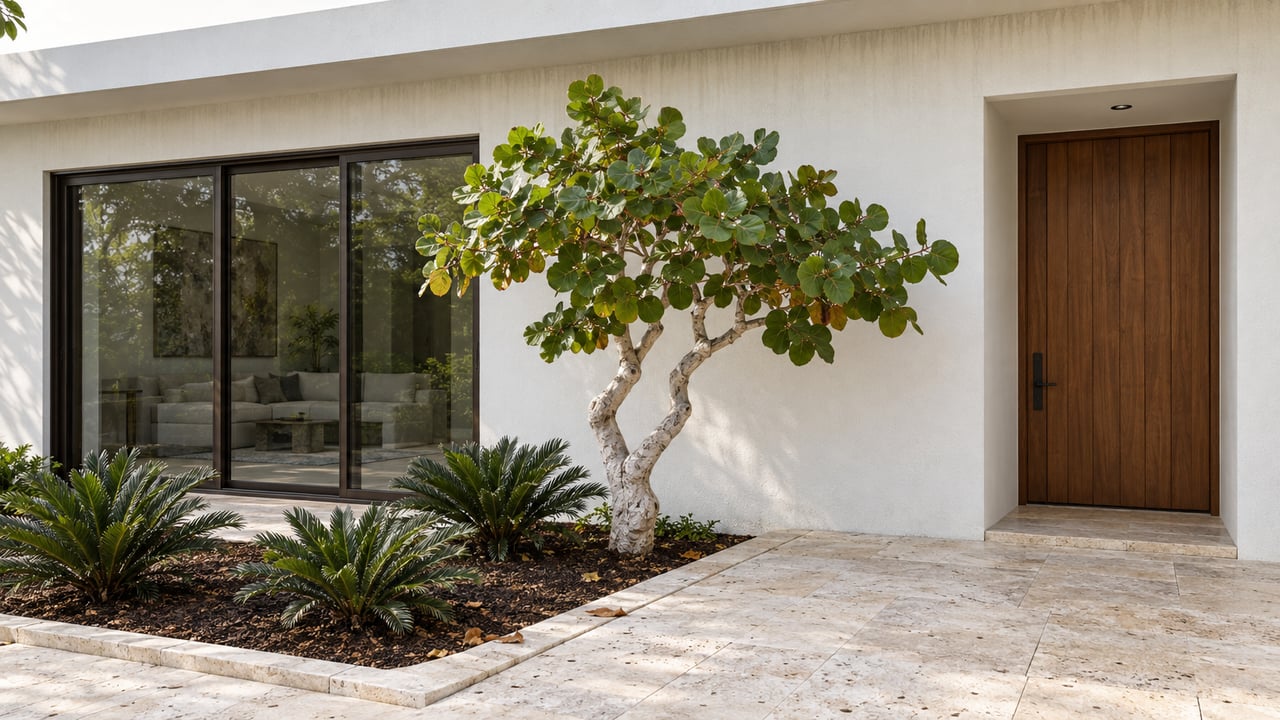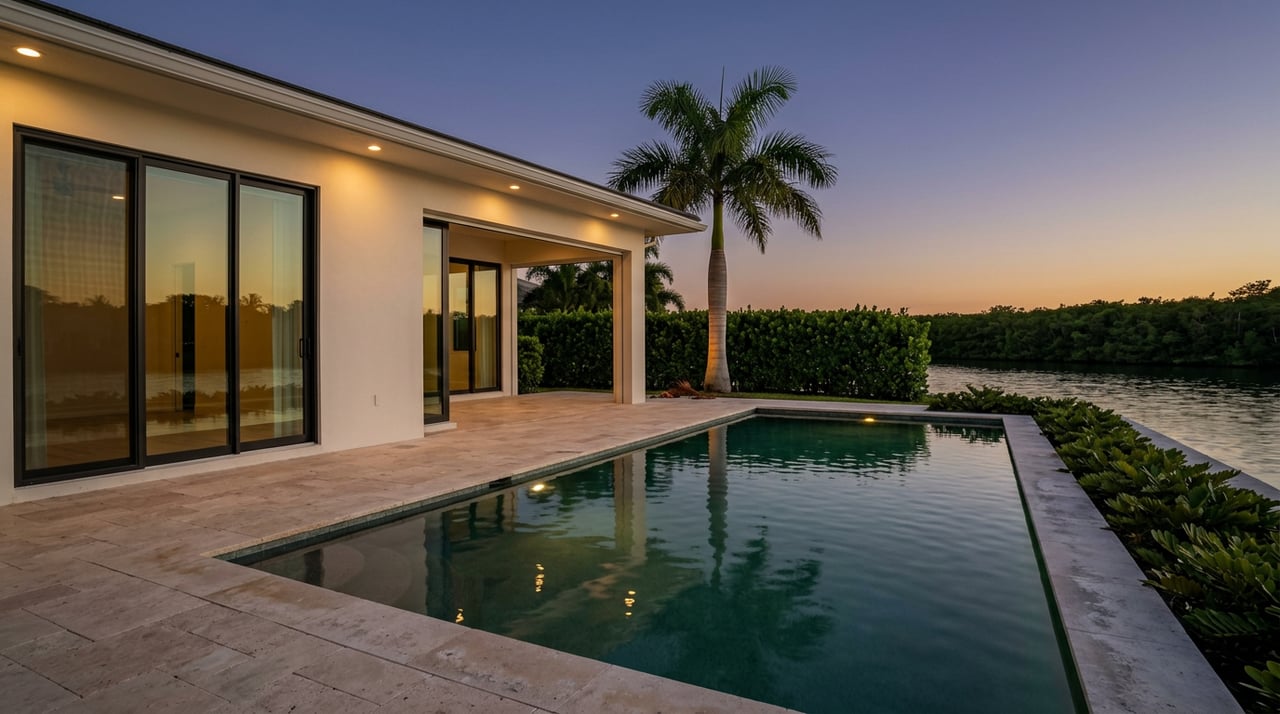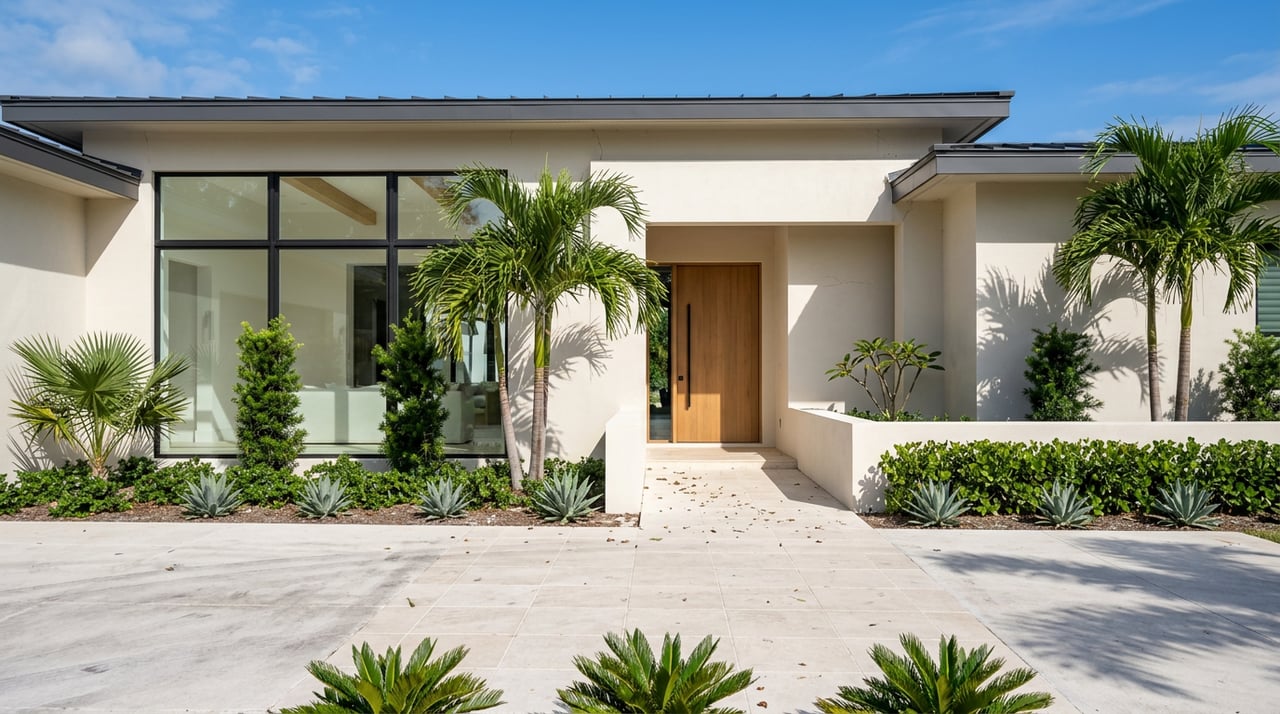
Buying your first home in Palmetto Bay can feel exciting and a little overwhelming. You’re choosing a high-value, waterfront-adjacent community where most homes are owner occupied and single family. With clear steps and the right local checks, you can move from browsing to closing with confidence. In this guide, you’ll learn how to prep your financing, choose the right property type, structure a smart offer, complete inspections that matter in South Florida, and plan for closing costs and insurance. Let’s dive in.
Why Palmetto Bay for first-time buyers
Palmetto Bay is a suburban village with a strong base of owner-occupied housing and mostly detached single-family homes. Census QuickFacts shows a high owner-occupancy rate near 78 percent, along with a median owner-occupied home value of about $879,700 based on the 2020–2024 ACS window. See the latest figures on the official Census page for Palmetto Bay.
- Community snapshot: population around 25,000, mostly suburban homes with pockets of condos and townhomes near US-1. Source: U.S. Census QuickFacts
- Pricing context: recent market snapshots place Palmetto Bay well above the county average. Redfin reported a median sale price near $1.02M in Feb 2026. Zillow’s local home value index was roughly $1.06M in Jan 2026. Always verify current numbers before you write an offer.
- What this means for you: be ready with a strong pre-approval, a realistic budget for insurance and closing costs, and a shortlist of property types that match your lifestyle.
Step 1: Get pre-approved in Miami-Dade
A true mortgage pre-approval carries more weight than a quick pre-qualification. In a higher-price area like Palmetto Bay, this can help you compete.
- Compare at least two or three lenders that are active in Miami-Dade.
- Ask about eligibility for FHA, VA, and conventional loans, plus state programs through Florida Housing. Review state options on the Florida Housing homebuyer programs page.
- Request fee estimates and interest rate options. Confirm if the lender can close on your preferred timeline.
Tip: If you expect to buy near or above the median for Palmetto Bay, ask your lender to model monthly payments with homeowners, wind, and flood coverage included.
Step 2: Budget, assistance, and closing costs
Create a budget that includes down payment, closing costs, and reserves for insurance and maintenance.
- Typical closing-cost range: plan for about 2 to 5 percent of the purchase price, excluding your down payment. Line items often include appraisal, lender fees, title and escrow, inspections, and prepaids for taxes and insurance. For a sample breakdown, see this closing-cost guide.
- Documentary stamp tax: Florida charges documentary stamp tax on deeds and certain mortgage documents. In Miami-Dade, deed stamps are $0.60 per $100, with an added surtax of $0.45 per $100 on non single-family conveyances. Who pays can be negotiated in the contract, so review your terms and Closing Disclosure carefully. Learn more on the Florida Department of Revenue page.
- Local and state assistance: Miami-Dade County offers the Homebuyer Down Payment Assistance Program (income and program rules apply). Start with the county’s official page for current details: Miami-Dade down payment assistance. Many buyers also consider Florida Housing’s statewide options, including Hometown Heroes, when funds are available. Explore Florida Housing’s Hometown Heroes to see if you may qualify.
Pro move: Complete your homebuyer education class early. Miami-Dade and local partners often host bilingual workshops that fulfill program requirements. Check county event partners like NHSSF for class options in English and Spanish.
Step 3: Choose neighborhoods and property types
Palmetto Bay offers a mix of property types and settings. Think about your daily routine, commute, and long-term plans when narrowing your search.
- Inland single-family neighborhoods: can offer larger lots and may come with lower flood and wind exposure compared with canal or bayfront areas.
- Canal or bayfront homes: premium pricing, plus items like seawall or dock maintenance and higher potential exposure to storm and flood risk.
- Condos and townhomes: often lower maintenance, but you will have HOA rules, budgets, and assessments to review.
Keep a checklist for lifestyle and logistics:
- Commute routes and access to US-1 and Old Cutler Road.
- Lot size, outdoor space, and storage for recreation.
- School zones where applicable. Always verify school assignments with the district before you rely on them.
Step 4: Tour homes and craft a winning offer
Market conditions in early 2026 point to a more balanced environment than the 2020 to 2022 peak. Standout homes can still draw multiple offers, especially turnkey waterfront listings, but you typically have more room to negotiate than a few years ago. Your offer should reflect current comps and your risk tolerance.
- Standard contingencies: include a home inspection and financing contingency in most cases.
- Clean, credible terms: align inspection periods with lender timelines, set realistic earnest money, and avoid unnecessary contingencies.
- Strategy for hot listings: shorten timelines where you are comfortable, and have your lender ready to update your pre-approval letter quickly.
Step 5: Complete inspections that matter here
South Florida’s climate and construction standards make inspection planning essential. Attend your inspections if possible.
- Core home inspection: a licensed inspector will review roof, structure, HVAC, plumbing, electrical, attic and insulation, and interior systems. Ask for a detailed written report and photo documentation.
- WDO inspection (Inspección de termitas): lenders commonly require this in Florida. Termite activity is a real risk in South Florida. Learn what a WDO report covers from this overview on wood-destroying organism inspections.
- Specialty inspections to consider:
- Pool and equipment evaluation if the property has a pool.
- Roof certification or age evaluation since storms and sun can shorten roof life.
- Seawall, bulkhead, and dock inspection for canal or bayfront homes, plus a request for maintenance and repair history.
- Permit and renovation history: review county and village records for major work like roofs, additions, pools, and impact windows. Start with Miami-Dade’s permitting and construction procedures. Ask the seller for permits, warranties, and any elevation certificates on file.
Step 6: Understand flood, insurance, and HVHZ standards
Flood checks and hurricane standards are part of buying smart in Palmetto Bay.
- Flood zones and elevation: Parts of the village lie in FEMA Special Flood Hazard Areas. Your lender will require flood insurance if the home is in a mapped AE or VE zone. The Village’s resource page includes links to flood maps and available elevation certificates. Review the Palmetto Bay flood zone and elevation resources early in your search.
- Insurance reality: Many Florida owners carry separate wind or hurricane coverage in addition to homeowners, and flood insurance may be mandatory based on the property’s zone. Premiums are often higher for older homes without impact-rated windows or a newer roof. For policy background and NFIP context, see this Congressional overview of flood insurance.
- High-Velocity Hurricane Zone (HVHZ): Miami-Dade falls inside the HVHZ, which requires stricter product approvals for items like impact windows, doors, and roofing. When you evaluate updates, ask whether the work was permitted and built with approved components. You can explore Notices of Acceptance (NOAs) and product approvals through Miami-Dade’s Product Control portal.
Pro tip: During pre-approval, request flood and homeowners quotes for sample properties so you can compare total monthly costs before you offer.
Step 7: Title, survey, and closing logistics
As you move to contract, focus on clean title and accurate closing numbers.
- Title search and title insurance: your title company will search for liens and encumbrances. Buyers usually pay for the lender’s title policy in Florida, and an owner’s policy provides added protection. Ask for a detailed quote early so you can plan.
- Survey: a new boundary survey is common for single-family homes. This can surface encroachments, easements, or fence issues.
- Closing-cost planning: revisit your 2 to 5 percent estimate with a firm quote from your lender and title company. See example line items in this closing-cost guide.
- Documentary stamp tax: confirm who is paying deed stamps and any mortgage-related taxes in your contract. Learn the state rules on the Florida Department of Revenue site.
Your 10-step Palmetto Bay roadmap
Use this checklist to stay on track. Spanish labels are included where helpful.
- Get pre-approved by a Miami-Dade lender. Confirm program eligibility and closing timelines.
- Set a full budget that includes insurance and 2 to 5 percent for closing costs.
- Explore down payment help: Miami-Dade assistance and Hometown Heroes.
- Build your shortlist by property type: inland single family, waterfront, or condo/townhome.
- Tour with purpose. Note flood zones, roof age, windows, and mechanical systems.
- Write a strong offer with inspection and financing contingencies that fit market conditions.
- Schedule inspections: Home inspection, WDO or Inspección de termitas, pool (if any), and seawall or dock for waterfront.
- Pull permits and records through Miami-Dade’s portal. Ask the seller for elevation certificates where relevant.
- Order title, survey, and insurance quotes. Review policy coverages, deductibles, and wind or flood requirements.
- Finalize loan approval and closing numbers. Verify documentary stamps and who pays what in the contract.
Buying your first place in a high-demand village like Palmetto Bay is achievable with a clear plan, local due diligence, and a team that knows Miami-Dade closings from the inside out. If you want bilingual guidance, smart offer strategy, and smoother title and escrow coordination, connect with Surelis Yanes. Let’s connect and map your next move.
FAQs
What makes Palmetto Bay different for first-time buyers?
- It is a mostly owner-occupied, suburban market with higher price points than the county average, so strong pre-approval and precise budgeting are essential. See baseline figures on Census QuickFacts.
How much should I budget for closing costs in Palmetto Bay?
- Many Florida buyers plan for about 2 to 5 percent of the purchase price, excluding down payment, covering lender fees, title and escrow, inspections, and prepaids like insurance and taxes. A sample breakdown is in this closing-cost guide.
Do I need flood insurance to buy in Palmetto Bay?
- Your lender will require flood insurance if the property is in a Special Flood Hazard Area. Check zones and elevation certificates through the village’s flood zone resources and get quotes during pre-approval.
What inspections are must-haves for South Florida homes?
- A general home inspection and a WDO or termite inspection are standard. Consider roof certification, pool inspection, and seawall or dock evaluation for waterfront properties. Learn about WDO reports here.
Are there down payment assistance programs I can use in Palmetto Bay?
- Yes. Review the county’s Miami-Dade assistance program and state options like Hometown Heroes. Availability and rules change, so check current details.
What are HVHZ standards and why do they matter?
- Miami-Dade sits in the High-Velocity Hurricane Zone, which requires stricter approvals for impact windows, doors, and roofing. You can look up Notices of Acceptance on the county’s Product Control portal.