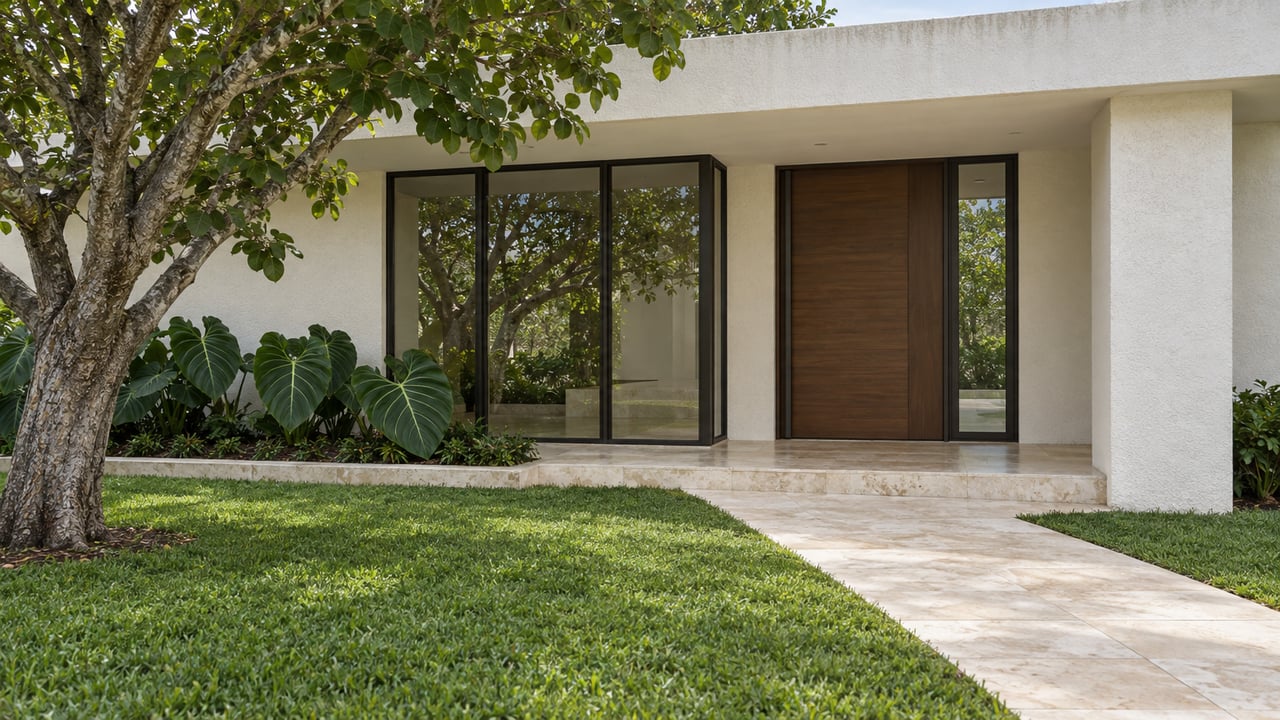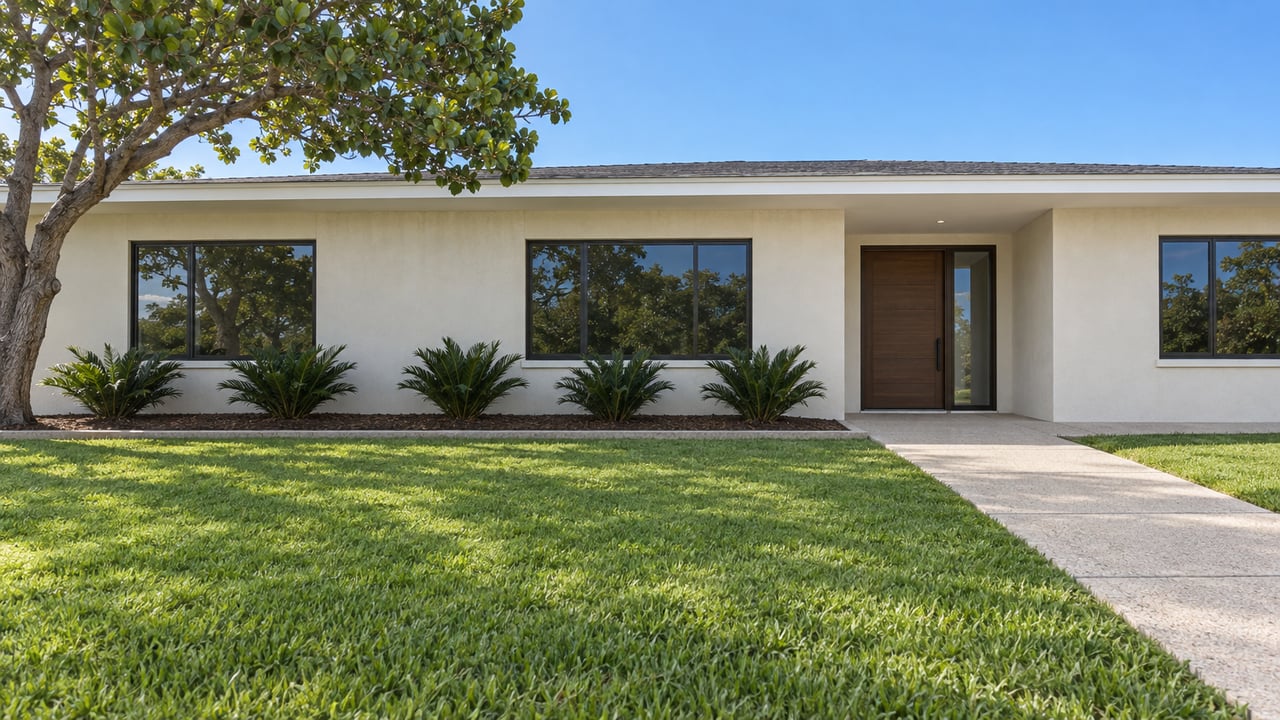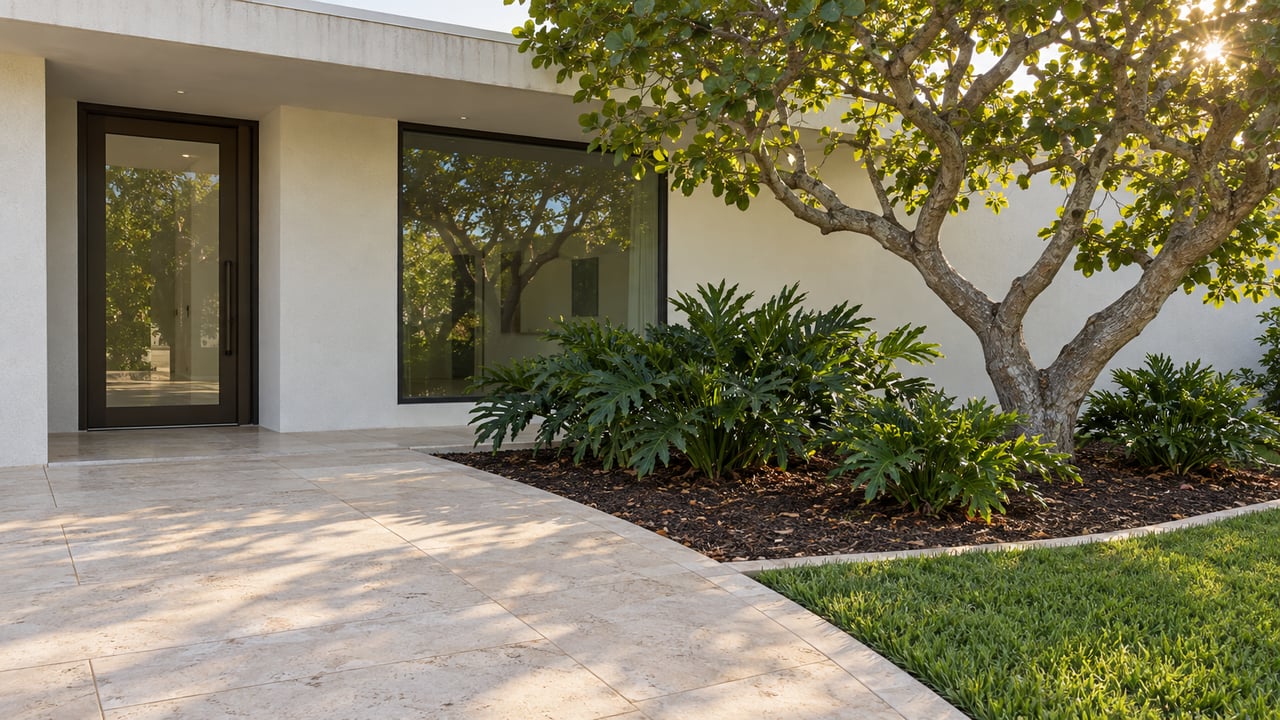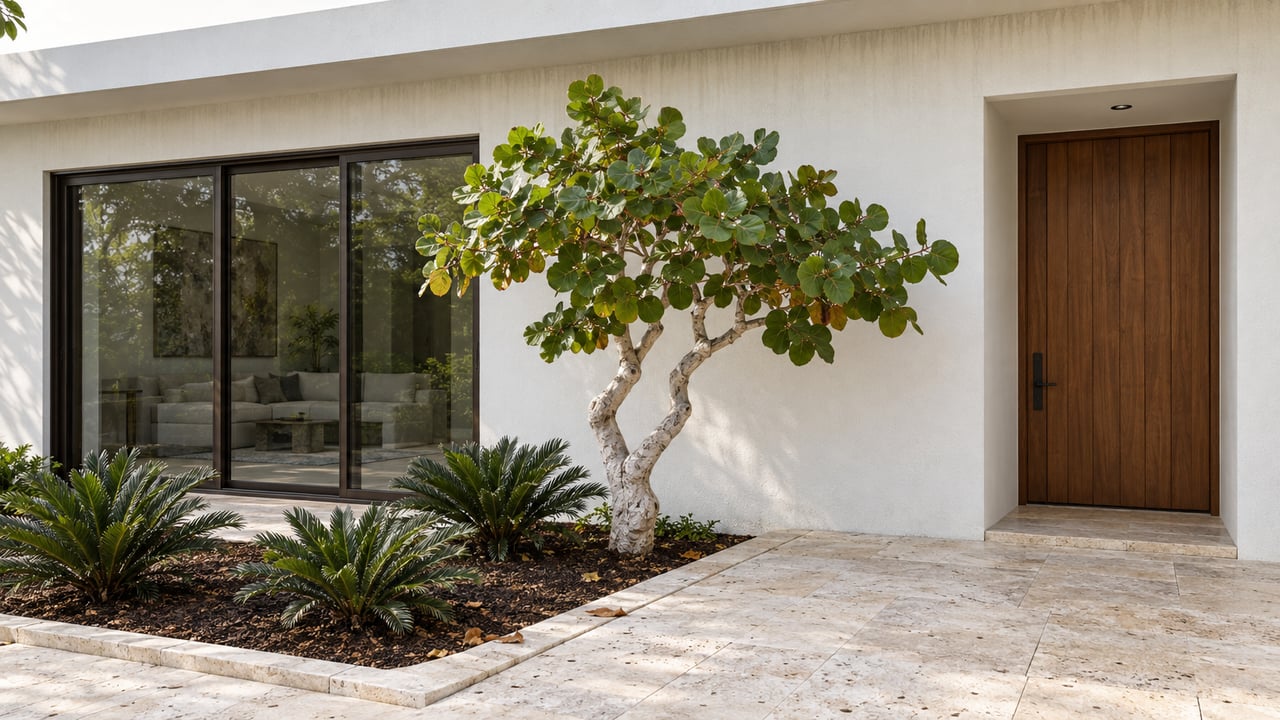
Are you thinking about turning a Palmetto Bay home into a long-term rental, but wondering if the numbers and the strategy really work? That is a smart question, especially in a market where home values are high, housing is mostly owner-occupied, and the best rental opportunities are not always the ones with the flashiest monthly income. If you want to build a rental plan that fits Palmetto Bay’s real market conditions, this guide will help you think through property type, lease strategy, tax changes, maintenance, and exit timing. Let’s dive in.
Why Palmetto Bay plays differently
Palmetto Bay is not a typical high-turnover rental market. The village had an estimated 24,886 residents in July 2025, with a median household income of $142,447 and a median age of 41, according to U.S. Census data. The same data shows 87.7% of residents lived in the same house one year ago, which points to a stable community rather than a fast-moving one.
That stability matters when you design a rental strategy. In Palmetto Bay, the opportunity often comes from holding a quality asset in a strong location over time, not from chasing short-term spikes in rent. If you approach this market with a long view, you are more likely to match the area’s profile.
Focus on the right property type
The clearest long-term rental fit in Palmetto Bay is usually a detached single-family home. Census Reporter data shows 84% of housing structures are single-unit, and about 78% of housing is owner-occupied. That means the local housing stock leans heavily toward standalone homes rather than apartment-style inventory.
For many owners and investors, this shapes the playbook from the start. A well-kept home with three or more bedrooms, parking, and usable outdoor space is often the most natural fit for the area. That aligns with the village’s 3.0-person average household size and the broader pattern of stable households in the market.
What tenants may value most
In Palmetto Bay, renters are often looking for function and stability. The village describes itself as family-oriented, and Census data shows 24.3% of residents are under 18. Commute patterns matter too, with an average commute time of 35.3 minutes.
That means practical features can carry real weight. You may want to prioritize:
- Durable flooring and finishes
- Ample storage
- Reliable parking
- Outdoor living space
- Strong maintenance history
- Clean, polished presentation for showings and leasing
Because 50.8% of residents speak a language other than English at home, a bilingual leasing process can also support a smoother client experience. That does not change who you market to, but it can improve clarity and trust during leasing.
Build around a 12-month lease
A 12-month lease is the most defensible baseline for a Palmetto Bay long-term rental. This is not because of a special lease rule, but because it fits the local housing stock and the area’s stable household profile. In a village dominated by owner-occupied detached homes, lower-turnover leasing is usually a better strategic match.
This approach can also help you reduce vacancy friction. If your property appeals to households looking for stability, a full-year lease creates a cleaner operating rhythm and makes budgeting easier. In a market like Palmetto Bay, consistency often matters more than trying to maximize short bursts of income.
Long-term rentals are not the same as vacation rentals
It is important to separate a long-term rental plan from a short-term or vacation-rental plan. Palmetto Bay’s vacation-rental rules require a Certificate of Use, an inspection, and annual inspections under Ordinance 2020-12. The village also notes penalties for operating without compliance.
That is a major difference in operating style and risk. If your goal is a steady rental strategy, you should underwrite the property as a long-term asset, not assume you can switch to a vacation-rental model without added cost and oversight.
Model the homestead tax change early
If you are converting a former primary residence into a rental, one of the most important planning steps is reviewing the homestead impact. The Miami-Dade Property Appraiser warns that renting a property on January 1 makes it ineligible for homestead exemption. The office also says renting the home for more than 30 days in two consecutive years can eliminate the homestead exemption and Save Our Homes cap.
This can materially change your ownership costs. Before you commit to a rental plan, you should estimate what your property taxes may look like after that reset. In some cases, that tax shift becomes the key factor in deciding whether to keep the home, refinance it, or sell.
Underwrite for wealth, not just cash flow
Palmetto Bay appears to be more of an equity-driven market than a pure cash-flow market. Census figures show a median gross rent of $2,101, a median owner-occupied home value of $879,700, and median monthly owner costs with a mortgage of $3,756. Using those same Census figures, annualized median gross rent is roughly 2.9% of median owner-occupied value.
That rough comparison is not a net-yield calculation, but it does tell you something important. In Palmetto Bay, the case for holding a rental property is often tied to asset quality, long-term appreciation, and overall wealth strategy. If you expect the property to perform like a high-yield cash-flow asset, you may be disappointed.
Current resale context matters
The resale market adds more context to that strategy. Miami REALTORS reported 66 closed single-family sales in Palmetto Bay in Q4 2025, with a median sale price of $1.15 million, median time to contract of 63 days, 114 active listings, and 5.3 months of supply. That suggests a higher-priced but active market where selling is still a real option if your hold strategy no longer fits.
If your property has appreciated meaningfully, you may have more flexibility than you think. A property that is not producing standout monthly cash flow may still be performing well if it is preserving capital, building equity, and giving you options.
Budget for climate and capital costs
A long-term rental strategy in Palmetto Bay needs a serious maintenance reserve. Miami-Dade notes that the county is susceptible to flooding from major rain events and storm surge. NOAA states that hurricane season runs from June 1 through November 30, and FEMA guidance explains that standard homeowners insurance usually does not cover flood damage.
For landlords, that means you should plan for more than routine repairs. Your reserve strategy should account for:
- Roof maintenance or replacement
- Water intrusion issues
- HVAC replacement
- Drainage improvements
- Insurance deductibles
- Storm-related cleanup and repair
In a market with hurricane and flood exposure, the owners who stay disciplined on reserves are often the ones who protect both the property and the long-term return.
Permits and flood rules can affect renovation plans
Major improvements in Palmetto Bay can trigger more than a construction budget. The village states that in AE and VE flood hazard areas, reconstruction, rehabilitation, additions, or other improvements equal to or exceeding 50% of a home’s value may count as substantial improvement. If that threshold is met, the home may need to be elevated to current code standards.
That can change the economics of a renovation fast. The village also says all new construction and substantial improvements must meet floodplain-management requirements and be permitted. Since most construction-related work requires a permit, major upgrades should be treated as both a physical project and a compliance project.
Know when to refinance, hold, or trade up
A smart rental strategy includes an exit or pivot plan before you need one. In Palmetto Bay, refinancing may be worth exploring when the home has appreciated, the loan balance is well below value, and you want to free up cash for reserves, another purchase, or a stronger-performing asset. This kind of move can support a broader portfolio strategy when timed carefully.
A trade-up may make more sense when maintenance demands begin to outpace rent growth. That can be especially true if the property sits in a flood-prone area or if a needed renovation could run into substantial-improvement rules. In those cases, holding the property may still be possible, but the margin for error gets smaller.
For many owners, the deciding factor is still the tax picture. If a former homestead is becoming a rental, the loss of homestead-related benefits may shift the math enough to favor a sale, a refinance, or a move into a different property. The right decision is usually the one that fits your long-term balance sheet, not just the next lease cycle.
A practical Palmetto Bay rental framework
If you want a simple way to think about this market, start with the basics. Palmetto Bay tends to work best as a long-term rental strategy when you own a quality single-family home, target lease stability, budget for climate-related repairs, and understand the tax and permitting landscape before making big moves. This is generally a market for patience and planning.
That is where a thoughtful advisor can make a difference. When you evaluate rental potential alongside resale value, closing logistics, and long-term wealth goals, you can make clearer decisions with fewer surprises. If you are weighing whether to hold, lease, refinance, or reposition a property in Palmetto Bay, Surelis Yanes can help you build a strategy that fits both the market and your goals.
FAQs
What type of long-term rental works best in Palmetto Bay?
- In most cases, a detached single-family home is the strongest fit because Palmetto Bay’s housing stock is heavily single-unit and largely owner-occupied.
Is Palmetto Bay a strong cash-flow rental market?
- Palmetto Bay appears more equity-driven than cash-flow-driven, with high home values relative to median gross rent.
Should you use a 12-month lease in Palmetto Bay?
- A 12-month lease is usually the most practical baseline because it fits the area’s stable household profile and detached-home inventory.
What happens to homestead benefits if you rent out a Palmetto Bay home?
- Miami-Dade says renting on January 1 makes the property ineligible for homestead exemption, and renting for more than 30 days in two consecutive years can remove homestead and Save Our Homes benefits.
Do Palmetto Bay flood rules matter for rental property renovations?
- Yes. In certain flood hazard areas, major work equal to or exceeding 50% of a home’s value may trigger substantial-improvement rules and require compliance with current code standards.
How should you budget for rental maintenance in Palmetto Bay?
- You should plan for regular repairs plus reserves for roof issues, water intrusion, HVAC, drainage, storm-related repairs, and insurance deductibles.