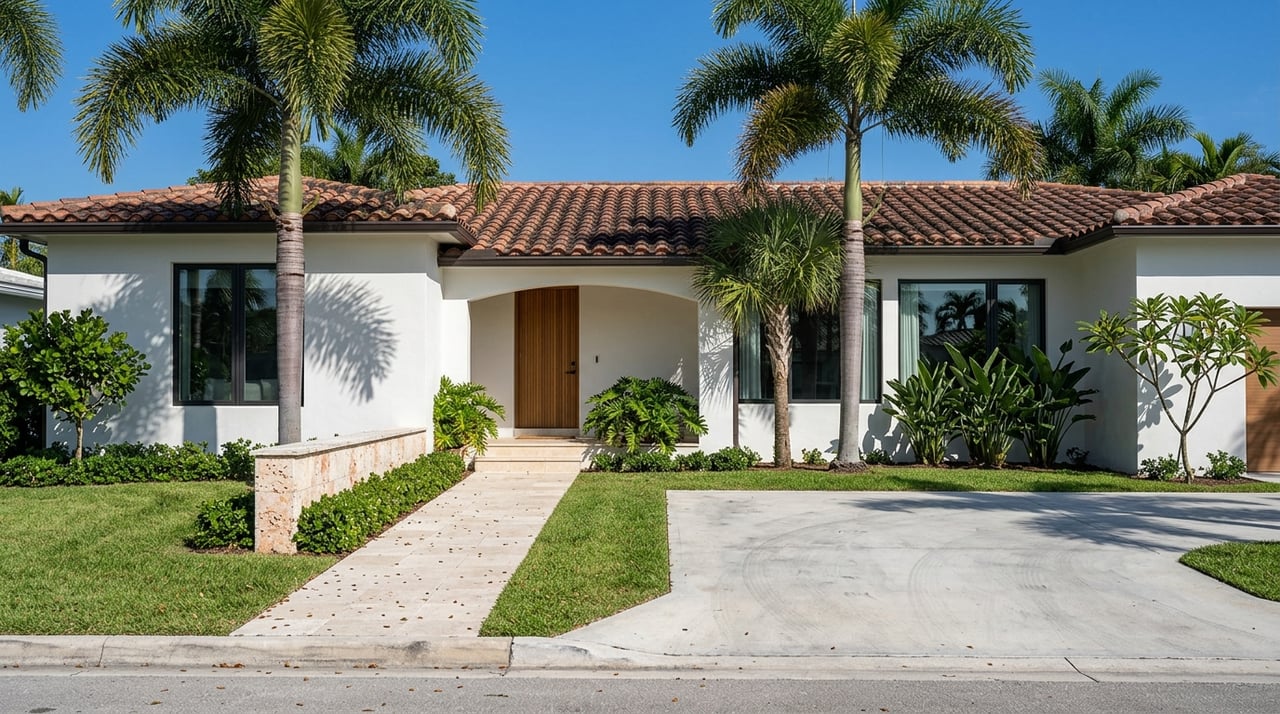
If you are deciding between a newer home and an older property with character in Palmetto Bay, you are not alone. In a market where many homes were built decades ago and only a small share are recent builds, this choice can shape your budget, upkeep, and peace of mind for years to come. The good news is that both paths can make sense when you know what to look for. Let’s break down how to compare them in a practical, local way.
Palmetto Bay Market Snapshot
Palmetto Bay is a high-value, mostly owner-occupied community with an estimated 24,639 residents and 8,681 housing units. About 78.2% of homes are owner-occupied, the median household income is $142,447, and the median owner-occupied home value is $879,700. Those numbers support what many buyers already feel on the ground: this is a market where people often buy with long-term use in mind.
That matters when you are weighing new construction versus older charm. According to Census-based housing data summarized by Point2Homes, the median construction year in Palmetto Bay is 1976, and most homes were built from the 1960s through the 1990s. Only 1.8% of homes were built in 2020 or later, so true newer options are limited compared with the larger pool of established homes.
Why New Construction Appeals
Current Code Standards
One of the biggest draws of newer construction in Palmetto Bay is how it aligns with today’s building rules. Florida Building Code 8th Edition became effective on December 31, 2023, and the Village notes roofing code changes effective January 1, 2024. In simple terms, a newer home is more likely to reflect current standards than an older home that has not been substantially updated.
Palmetto Bay also states that Miami-Dade wind velocity for structural calculations is 146 mph under the code. That can make newer homes appealing if you want a property that is more likely to include modern wind-resistance features, newer roof systems, updated windows, and stronger exterior building components. Of course, you still need to verify the details for the specific home you are buying.
More Turnkey Living
If you want a home that may need less near-term work, new construction can be attractive. Newer homes are often chosen by buyers who prefer modern layouts and fewer immediate repair projects. In a market like Palmetto Bay, where many homes are older, that turnkey factor can save time and reduce decision fatigue during your first year of ownership.
This can be especially helpful if you are relocating, balancing a busy work schedule, or simply want a smoother move-in experience. A newer home does not eliminate maintenance, but it may reduce the number of unknowns you face early on.
Energy Efficiency Potential
Florida’s energy code applies to new and renovated buildings, and new products installed or replaced in existing homes must meet thermal-efficiency standards. Because of that, newer homes are more likely to include more modern insulation, HVAC systems, and windows or doors built to newer efficiency requirements.
That does not guarantee lower utility bills for every property. Operating costs still depend on design, maintenance, and how the home is used. Still, newer construction often starts with a better baseline for energy performance.
Why Older Homes Still Win Hearts
Character and Established Setting
Older homes in Palmetto Bay often stand out for reasons that are hard to copy. They may offer more individualized layouts, mature landscaping, and in some areas, larger lots. If you value a home that feels distinct rather than standardized, older properties can offer a lifestyle advantage that goes beyond square footage.
This is where the decision becomes personal. Some buyers care most about current finishes and newer systems. Others are willing to update over time because they love the setting, lot, or original design features of an established home.
Renovation Flexibility
An older home can also give you room to improve the property in phases. Instead of paying a premium upfront for every finish to be brand new, you may choose a home with good bones and plan strategic upgrades over the next 12 to 24 months.
That approach requires a realistic budget, but it can work well for buyers who want control over the finished result. In 2025, Palmetto Bay reduced permit fees by 15% for certain homesteaded home-improvement projects, including windows and doors, fences, driveways, pools, spas, pool decks, and standby generators. That does not make renovations inexpensive, but it may slightly reduce the cost of some future improvements.
The Real Trade-Off: Due Diligence
Permits Matter More Than Buyers Think
The biggest difference between newer homes and older homes in Palmetto Bay is often not style. It is documentation. The Village requires permits for new construction, remodeling, demolition, and additions, and it uses permits to verify contractor licensing and insurance before work begins.
For older homes, this is a major issue to review early. The Village warns that unpermitted work can delay a transfer, trigger double permit fees, or even require partial or complete demolition. So when you fall in love with an older property, you also need to ask whether past work was done properly and documented clearly.
What to Review Before You Buy
If you are considering an older home, ask careful questions about updates and additions. Focus on the parts of the home that affect safety, insurance, future resale, and likely repair costs.
A smart review list includes:
- Roof age and permit history
- Window and door replacement records
- Addition or renovation permits
- Electrical, plumbing, and HVAC updates
- Flood zone designation
- Elevation certificate availability
Newer homes should be reviewed too, but older homes typically require more digging. A home with complete records may feel much lower risk than one with unclear renovation history.
Flood and Elevation Are Central in Palmetto Bay
Flood Risk Is Part of the Decision
In Palmetto Bay, flood risk is not a side issue. The Village states that the area is susceptible to flooding from major rain events and storm surge and includes multiple natural floodplains. Its flood-zone system includes VE, AE/A1-30, X-500, and X designations.
That means flood due diligence should be part of your process whether you are buying new construction or an older home. The Village also notes that its CRS rating entitles residents to a flood-insurance discount, which is helpful, but it does not replace the need to understand a property’s individual flood profile.
Elevation Certificates Can Change the Conversation
Elevation certificates are especially important when you are evaluating older homes. According to the Village, an elevation certificate identifies floor elevations and flood zones, helps determine whether a structure is below the current required elevation for the 50% rule, and helps with flood-insurance quotes.
There is another local detail buyers should know. The Village says its Building Department was established in 2003, so homes with new construction or substantial improvement before 2003 may not have an elevation certificate in the Village database. That does not automatically mean there is a problem, but it does mean you may need more research.
Newer vs. Older: A Simple Comparison
| Factor | New Construction | Older Charm |
|---|---|---|
| Building standards | More likely to reflect current code | Varies based on updates |
| Near-term maintenance | Often lower at move-in | Often higher or less predictable |
| Layout and finishes | Usually more modern | Often more unique |
| Lot and setting | May vary, often smaller pool of options | Can include mature landscaping and larger lots |
| Permit review | Still important | Often more critical |
| Flood and elevation review | Important | Especially important |
| Personalization | Less immediate need to renovate | More opportunity to improve over time |
Which Option Fits Your Goals?
Choose Newer Construction If You Want:
- A more turnkey move
- Modern code alignment
- Potentially fewer immediate repairs
- A home that may include newer roof, windows, and building systems
- Less uncertainty around recent construction history
This path often fits buyers who want convenience, a cleaner maintenance outlook, and a home that feels ready from day one.
Choose Older Charm If You Want:
- More character and individuality
- Established surroundings and mature landscaping
- The possibility of a larger lot depending on location
- Flexibility to renovate over time
- A chance to create value through selective updates
This path often fits buyers who are comfortable with a little more homework and want to shape the home gradually.
Questions to Ask Before You Decide
Before you make an offer on any Palmetto Bay home, keep your focus on the details that affect cost and confidence after closing.
Ask these questions:
- Is the home in a flood zone?
- Is there an elevation certificate?
- Were roof, windows, doors, and additions properly permitted?
- What updates were completed, and when?
- How much should you reserve for improvements in the first 12 to 24 months?
In this market, buyers often reward clarity. A home with strong documentation, known flood and elevation information, and a clear history of permitted updates may feel easier to evaluate now and easier to resell later.
The Best Choice Is the One You Can Hold Comfortably
In Palmetto Bay, this decision is rarely just about style. It is about how you want to live, what level of risk feels manageable, and whether you want to pay for convenience now or improvements later. New construction can offer peace of mind around current standards, while older homes can offer personality, space, and long-term upside.
If you want help comparing specific homes, reviewing the details that matter, and making a confident move in Palmetto Bay, connect with Surelis Yanes. Her relationship-first approach, local market insight, bilingual guidance, and title and closing experience can help you navigate the process with more clarity and less stress.
FAQs
Is new construction common in Palmetto Bay?
- No. Census-based housing data summarized by Point2Homes indicates that most homes in Palmetto Bay were built from the 1960s through the 1990s, and only 1.8% were built in 2020 or later.
Why do permits matter when buying an older home in Palmetto Bay?
- Palmetto Bay requires permits for many types of construction work, and the Village says unpermitted work can delay transfer, trigger double permit fees, or even require partial or complete demolition.
What flood questions should buyers ask about a Palmetto Bay home?
- Ask about the flood zone, whether an elevation certificate exists, and how the property’s flood profile may affect insurance and future improvement plans.
Are older homes in Palmetto Bay always a worse choice than newer homes?
- No. Older homes may offer character, mature landscaping, and larger lots in some areas, but they usually require more due diligence around permits, updates, and flood-related documentation.
What makes a newer home attractive in Palmetto Bay?
- A newer home is more likely to reflect current building and energy code standards and may offer a more turnkey experience with fewer near-term maintenance surprises.