Wondering why two homes with similar size and location in Coral Gables can sell for very different numbers? In this market, architecture often plays a bigger role than buyers and sellers first expect. If you are buying, renovating, or preparing to sell, understanding how design, historic status, and local approval rules shape value can help you make smarter decisions. Let’s dive in.
Coral Gables Is an Architecture-Driven Market
Coral Gables is not a place where architecture feels random. The city describes itself as a planned community shaped by City Beautiful and Garden City ideas, and it has more than 1,000 properties on the Coral Gables Register of Historic Places. That means design is part of the city’s identity, not just an aesthetic bonus.
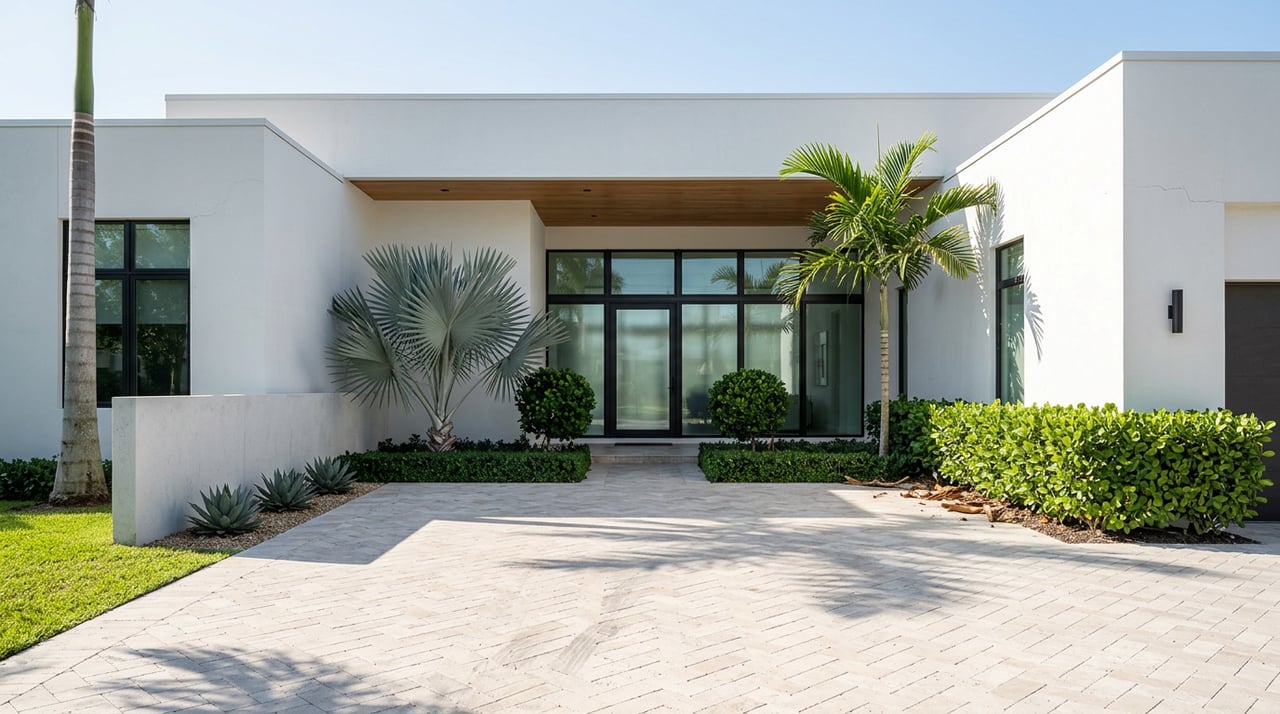
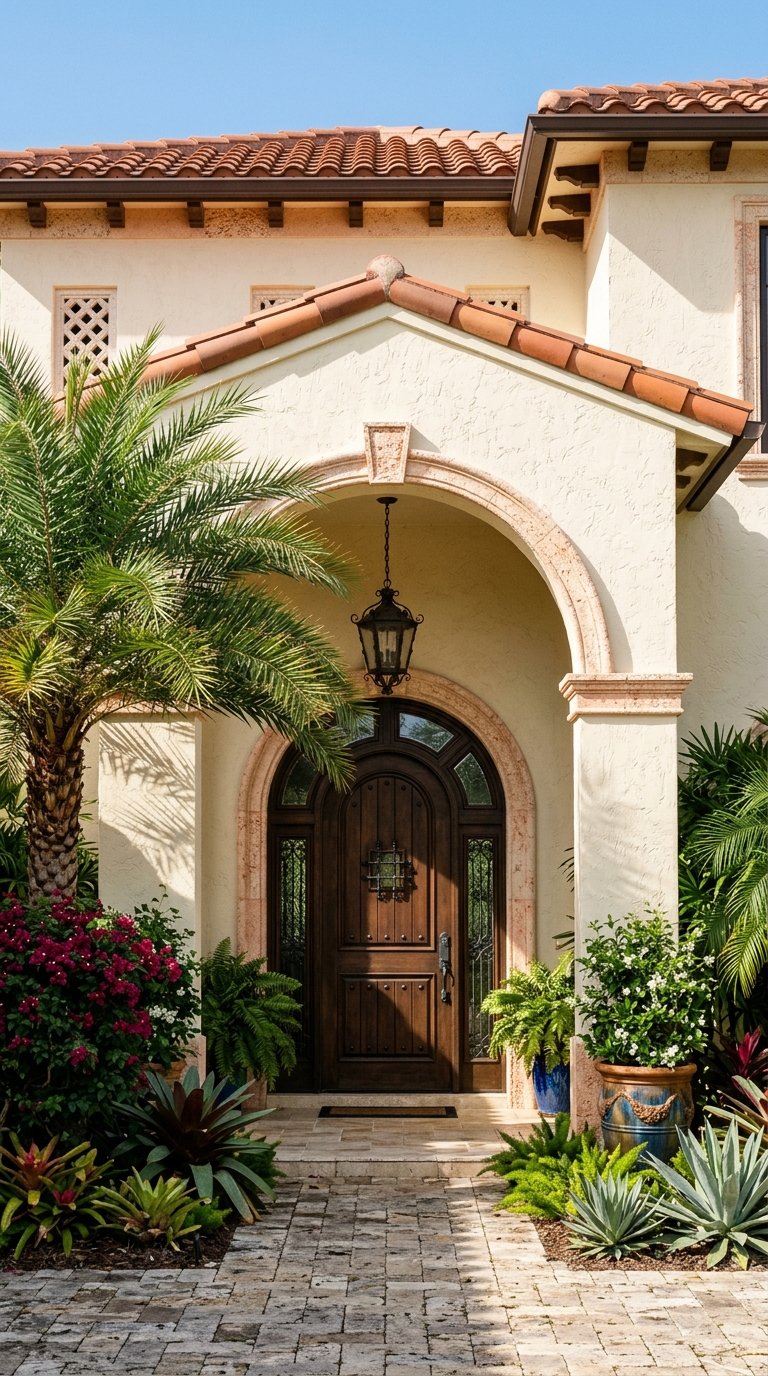
The city also formally recognizes Coral Gables Mediterranean Architecture as part of George Merrick’s original vision. It documents themed villages in other styles as well, which shows that the look and feel of the city was intentionally curated. For you as a buyer or seller, that matters because curated design tends to create a stronger sense of place and scarcity.
Why Architecture Can Influence Value
In a high-value market, buyers often pay close attention to details they might overlook elsewhere. MIAMI REALTORS reported a Coral Gables single-family median sale price of $2.05 million in Q4 2025, up 7.2% year over year, with 95 closed sales. At that price point, exterior design, renovation quality, and overall presentation can carry real weight in buyer decisions.
Research broadly supports the idea that architecture can be reflected in home prices, but the effect is not automatic. Studies cited in the research report found premiums tied to historic styles, proximity to notable architecture, and older pre-1940 subdivision patterns in some markets. At the same time, other research found that style alone did not always create a premium once location and construction quality were considered.
That is the key takeaway for Coral Gables. Architecture can add value, but usually because it works together with location, condition, lot size, authenticity, and curb appeal. It is rarely just about calling a home “historic” or “Mediterranean.”
Streetscape and Authenticity Matter
One of the strongest themes in the research is that exterior appearance influences value. A cited study found that a one-standard-deviation improvement in a Boston home’s appearance was associated with about a $68,000 increase in value, with stronger effects in higher-income areas and where the home was more visible. While that is not Coral Gables-specific, it helps explain why façade quality and visual harmony matter so much in architecture-conscious neighborhoods.
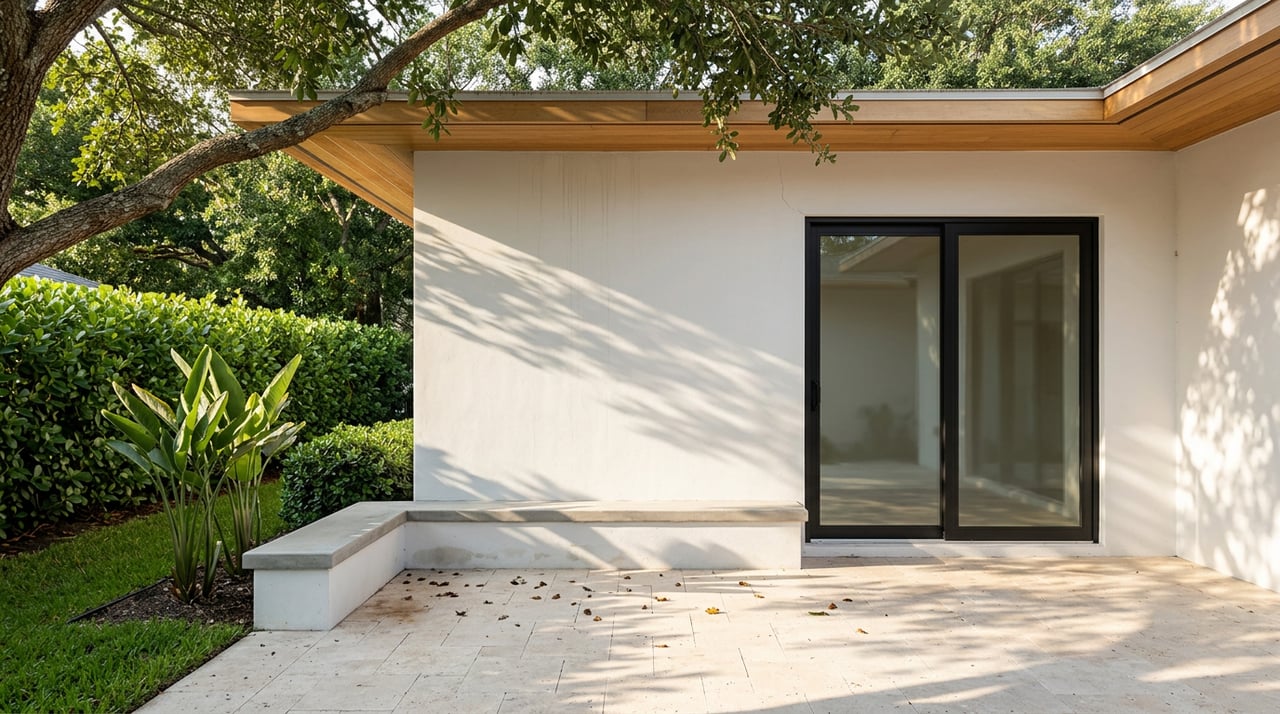
In Coral Gables, buyers often respond to homes that feel authentic to their setting. That can mean appropriate materials, balanced proportions, quality windows, and a well-maintained exterior. It can also mean a home fits the broader streetscape instead of fighting against it.
For sellers, this is important because value is not created only inside the house. The front elevation, roofline, landscaping, and visible renovation choices can all shape a buyer’s first impression before they ever walk through the door.
Historic Status Can Help and Complicate Value
Historic designation can support value, but it also changes how a property is managed. The city’s preservation guide says a Certificate of Appropriateness is required before most exterior work begins on designated landmarks or district properties and before a building permit can be issued. That review can apply to alterations, additions, and demolitions.
The same guide emphasizes preserving character-defining features. It specifically notes that changes to roofs and windows can materially damage a home’s historic character. So if you own or plan to buy a historic property, value may be tied not only to beauty and scarcity, but also to your ability to maintain the home in ways the city will approve.
This does not mean historic homes are a bad investment. In fact, Florida Department of State research found that designated historic districts generally held value better than comparable non-historic neighborhoods during the study period. It does mean that value often comes with rules, timelines, and added planning.
Renovation Rules Affect Buyer Demand
Coral Gables treats architecture as a regulated design issue, not just a personal preference. The Board of Architects reviews applications for compliance with design standards, including color, materials, fenestration, and proportion. For many projects, the process can involve preliminary and final approval before a permit is issued.
The city also requires a tree survey and tree protection plan for Board of Architects submissions and demolition permits. For buyers, that means future renovation plans should be evaluated early. A home that looks like a simple cosmetic project may involve more review than expected.
This review process can affect value in two different ways. On one hand, it helps protect the visual consistency that makes Coral Gables desirable. On the other hand, it can increase the cost, time, and uncertainty of changes, which some buyers will factor into their offer price.
What Buyers Should Check Before Making an Offer
If you are buying in Coral Gables, architecture should be part of your due diligence. A beautiful exterior may attract you, but the real question is what that design means for ownership, maintenance, and future flexibility.
Focus on these questions before you commit:
- Is the property locally historic, contributing, or non-contributing?
- Is it located within a historic district?
- Were past exterior changes properly approved?
- Will future work need Board of Architects review?
- Will future work also need Historic Preservation review?
- Are there visible changes to windows, roofs, or façade elements that could raise concerns?
One important detail from the city’s guide is that even non-contributing buildings in historic districts may still be reviewed. In other words, “not historic” does not always mean “no restrictions.” That is a major point for buyers who want to renovate soon after closing.
What Sellers Can Do to Protect Value
If you are selling a Coral Gables home, your best strategy is usually not to oversell the style. Instead, show buyers why the property feels authentic, well cared for, and easy to understand from a compliance standpoint.
The strongest seller story often includes:
- An exterior that fits the home’s architectural character
- Well-documented maintenance and repair history
- Permitted improvements
- Copies of approvals for past exterior work
- Clear information about any historic status
- A realistic explanation of what future owners may need to do for changes
This kind of preparation reduces uncertainty, and uncertainty often affects price. In a design-sensitive market, buyers tend to pay more confidently when they believe the home’s beauty is matched by solid documentation.
Tax Incentives May Support Preservation
Historic designation does not automatically raise assessed property taxes just because a property is designated. According to the city’s preservation guide, approved improvements may qualify for local tax incentives, including a 10-year ad valorem tax freeze on the value added by the improvements. Eligible owners may include those with properties listed in the Coral Gables Register, the National Register, or contributing structures in a historic district.
For some owners, that can help offset the cost of approved work. It may also make preservation-oriented improvements more financially attractive over time. If you are evaluating a historic property, this is one more reason to look beyond the sticker price and study the full ownership picture.
The Real Bottom Line on Home Values
Architecture impacts home values in Coral Gables because it influences scarcity, visual appeal, and neighborhood coherence. Buyers are not just purchasing square footage. They are often responding to a complete package that includes style, setting, authenticity, and the confidence that the home belongs in its surroundings.
At the same time, architecture does not override the basics. Lot size, location, condition, quality of updates, and approval history still matter greatly. The value effect is highly property-specific, which is why a customized pricing and due diligence strategy is so important.
If you are buying or selling in Coral Gables, the smartest move is to evaluate architecture as both a design feature and a practical ownership factor. That balance can help you avoid surprises and make decisions that protect long-term value.
Whether you are comparing homes, preparing a listing, or thinking through renovation plans, working with an advisor who understands both market positioning and transaction details can make the process much smoother. To talk through your next move in Coral Gables, connect with Surelis Yanes.
FAQs
How does architecture affect home values in Coral Gables?
- Architecture can influence value by increasing visual appeal, supporting neighborhood character, and creating scarcity, especially when a home’s design feels authentic and well maintained.
Do historic homes in Coral Gables always sell for more?
- No. Historic status can support value, but the final price still depends on factors like location, lot size, condition, quality of updates, and how easy the property is to maintain or improve.
What is the Coral Gables Board of Architects?
- The Board of Architects reviews certain projects for compliance with local design standards, including materials, color, proportion, and other exterior design elements.
What should buyers check about a Coral Gables historic property?
- Buyers should confirm the property’s historic status, review whether past exterior work was approved, and understand what future work may require city review or a Certificate of Appropriateness.
Can non-historic homes in Coral Gables still face design review?
- Yes. The city’s preservation guide says even non-contributing buildings in historic districts can still be reviewed, so buyers should not assume they have complete renovation freedom.
Are there tax benefits for preserving a Coral Gables historic home?
- Some approved improvements may qualify for local incentives, including a 10-year ad valorem tax freeze on the value added by the improvements, if the property meets the city’s eligibility rules.