If you are thinking about buying a rental property in Palmetto Bay, the first question is simple: are you looking for strong monthly cash flow, long-term value growth, or both? That matters here because Palmetto Bay does not behave like a high-inventory rental market. It is a higher-value, mostly owner-occupied village where the right investment often depends on careful underwriting, realistic rent expectations, and a clear hold strategy. Let’s dive in.
Palmetto Bay rental market at a glance
Palmetto Bay is best understood as an equity-focused suburban market rather than a pure cash-flow play. According to Census QuickFacts, the village had 25,402 residents in 2024, an owner-occupied housing rate of 78.2%, a median owner-occupied home value of $879,700, and a median gross rent of $2,101.
Those numbers tell an important story for investors. Compared with Miami-Dade County overall, Palmetto Bay has much higher home values and a much higher owner-occupancy rate. In practical terms, that usually means fewer rental listings, less turnover, and a market where appreciation potential may matter more than immediate yield.
Using broad median figures, the implied gross yield looks modest. Based on median rent versus median value, the rough screening estimate is about 2.9%, and it drops closer to 2.2% if you compare that same rent figure with the Q4 2025 median single-family sale price. That is not a full investment analysis, but it is a helpful early filter.
Why Palmetto Bay attracts long-term investors
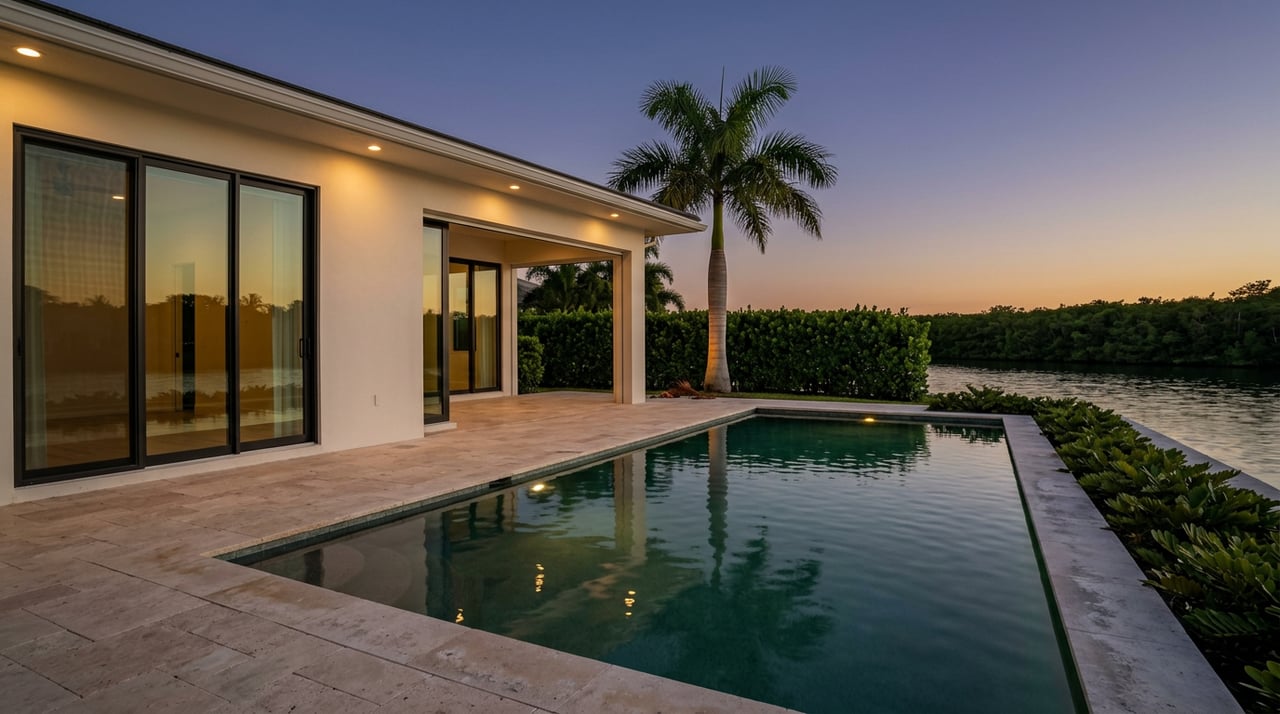
Palmetto Bay’s appeal is tied to its built-out suburban character, lower-density land use, and lifestyle setting near Biscayne Bay. The village also highlights parks and open space such as Coral Reef Park, Palmetto Bay Park, and Thalatta Estate Park, which support long-term desirability.
The local planning framework also directs growth toward areas already served by infrastructure, including around South Dade Busway stations. When you combine limited supply growth with established neighborhood character and access to commuting corridors, the result often supports value retention over time.
For many buyers, that means Palmetto Bay can make sense as a wealth-building hold. You may not buy here for high short-term income alone, but you may buy here for stability, location quality, and long-range equity growth.
Best property types for rental potential
Single-family homes lead the market
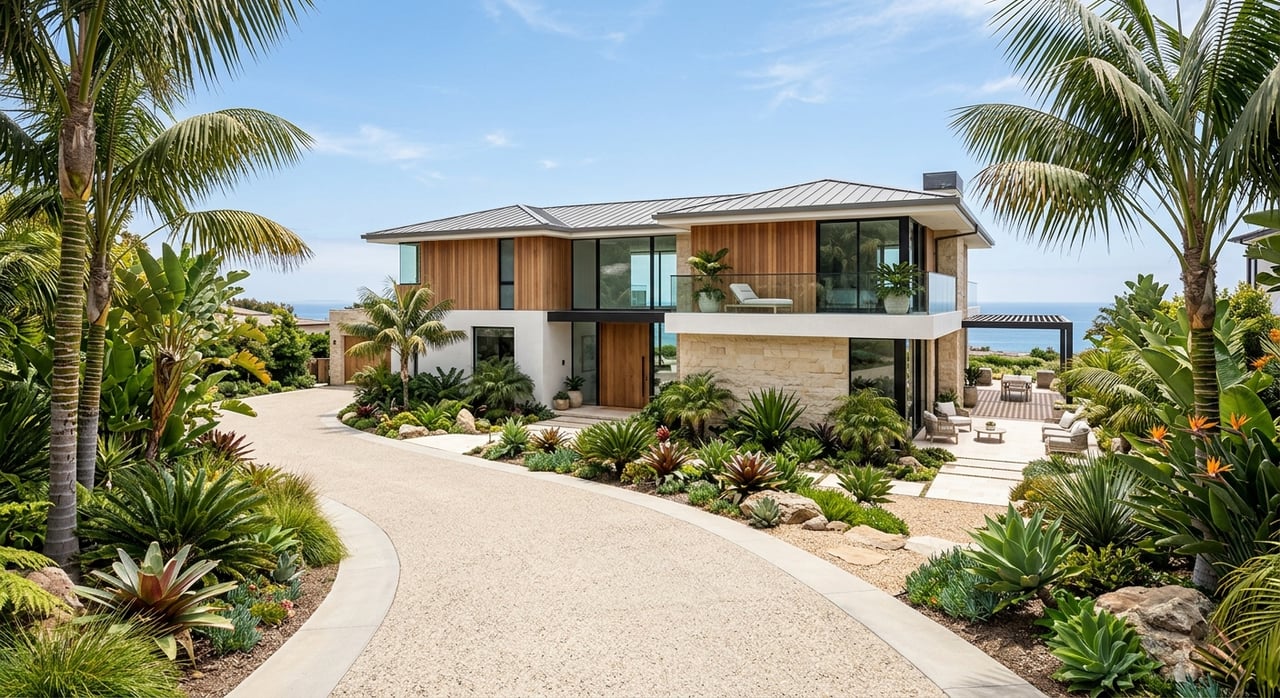
In Palmetto Bay, detached single-family homes are the main investment product to study first. The village’s land-use framework is centered on low-density residential areas, and the comprehensive plan explicitly emphasizes protecting single-family neighborhoods.
That matters because your investment options are shaped by the local housing stock. In many cases, the most competitive rental opportunity will be a well-maintained house with outdoor space, functional layout, and move-in-ready condition rather than a small unit built for fast turnover.
Townhomes and condos need extra scrutiny
Townhomes and condos are allowed in medium-density categories, but this is a much thinner segment of the market. In Q4 2025, Palmetto Bay recorded 66 closed single-family sales with a median sale price of $1.15 million, while townhouses and condos had only 5 closed sales with a median sale price of $278,000.
That smaller sample size means you should be careful about drawing broad conclusions from attached housing alone. It also points to a less liquid segment, which can affect both resale flexibility and underwriting confidence.
What tenant demand may look like
Palmetto Bay’s demographics suggest demand for larger, well-kept homes more than small, high-turnover rentals. The average household size is 3.00 persons, 24.3% of residents are under 18, and median household income is $142,447.
The village also has a highly educated and diverse population. Census data shows 60.1% of adults have a bachelor’s degree or higher, 50.8% of residents speak a language other than English at home, and 32.4% are foreign-born.
For investors, that can support a rental strategy focused on quality, comfort, and convenience. A home that feels ready for everyday living may align better with local demand than a property designed around constant turnover.
How to evaluate rental property potential
Start with your investment goal
Before you run numbers, define what success looks like. In Palmetto Bay, the answer may be appreciation, lower tenant turnover, or long-term wealth preservation rather than a standout cap rate.
If you expect this village to perform like a high-yield rental pocket, you may be disappointed. If you approach it as a premium suburban market with limited inventory and stronger owner-occupancy, your analysis will be more realistic.
Underwrite conservatively
Because broad rent-to-price ratios are modest, conservative underwriting is important. Use realistic rent assumptions, include vacancy and maintenance reserves, and avoid stretching based on best-case appreciation alone.
This is especially important in higher-value single-family markets. Even a strong asset can underperform if you underestimate carrying costs or overestimate how quickly rents can rise.
Study liquidity before you buy
Rental potential is only one part of the investment story. You also want to know how easily you may be able to sell later.
In Q4 2025, single-family homes in Palmetto Bay had 63 days to contract and 5.3 months of supply. Townhouses and condos had 9.0 months of supply, which suggests a slower-moving attached-housing segment.
Costs that can affect returns
Insurance and stormwater considerations
Palmetto Bay’s planning documents make it clear that flood, drainage, and stormwater are important ownership variables. Development and redevelopment must maintain stormwater level-of-service standards and use systems such as retention, infiltration, and detention.
For you as an investor, that means insurance review should be a major part of due diligence. It also means you should pay close attention to reserve planning, drainage conditions, and any exterior improvements that may trigger permits or site-related requirements.
Carrying costs matter more in modest-yield markets
When gross yield is relatively low, every expense has a bigger impact on performance. Insurance, maintenance, reserves, vacancy, and property-specific upkeep can quickly change the math.
That is one reason Palmetto Bay rewards disciplined buyers. A property that looks attractive on the surface may perform very differently once real operating costs are fully underwritten.
Short-term rentals versus long-term rentals
Vacation rentals have stricter operational demands
If you are considering a short-term rental strategy, know that Palmetto Bay requires more hands-on compliance. The village’s vacation-rental ordinance requires a Certificate of Use, annual renewal, inspection, a responsible party available 24/7, occupancy limits, parking compliance, and noise restrictions, including a ban on outdoor amplified sound.
That creates a very different operating model from a standard annual lease. It can work for some owners, but it is not a passive setup.
Long-term leasing may be the cleaner fit
For many investors, a long-term or possibly mid-term rental strategy may align better with the village’s character and operating requirements. This approach can be simpler to manage and may fit better with local housing demand.
In a market like Palmetto Bay, consistency often matters more than chasing the highest possible nightly revenue. A stable leasing plan with careful screening and realistic financial assumptions can be the stronger path.
Condo and townhome due diligence checklist
If you are evaluating an attached property, review the association documents carefully before closing. This step is important anywhere, but it matters even more in a smaller segment where rules can directly affect your rental plan.
Focus on these items:
- Rental caps
- Approval procedures for tenants
- Minimum lease terms
- Reserve funding
- Ongoing fees and assessments
- Any limits that could affect investor ownership or leasing flexibility
These details can make or break the investment. A lower purchase price does not always mean a better rental opportunity if the association rules limit how you can operate.
What a strong Palmetto Bay rental buy often looks like
A promising rental property in Palmetto Bay often checks a few key boxes. It is usually in good physical condition, sized for everyday living, and supported by a conservative ownership budget.
It also tends to fit the village’s dominant housing pattern. In many cases, that means a single-family home with practical layout, good upkeep, and features that appeal to longer-term residents.
Most important, the numbers should work without forcing optimistic assumptions. In this market, discipline is often the difference between a smart hold and an expensive lesson.
If you want guidance on evaluating Palmetto Bay rental opportunities with a local, relationship-first approach, Surelis Yanes can help you assess property type, market fit, and transaction details with care.
FAQs
What makes Palmetto Bay different from other Miami-Dade rental markets?
- Palmetto Bay is a higher-value, heavily owner-occupied market with fewer rental-style opportunities, so many investors focus more on long-term appreciation and stability than on strong immediate cash flow.
What property type has the strongest rental potential in Palmetto Bay?
- Single-family homes usually deserve the closest look because they dominate the local housing stock and align more closely with the area’s land-use pattern and likely tenant demand.
Are condos in Palmetto Bay good for rental investing?
- They can be worth evaluating, but the segment is much smaller and less liquid, so you should review association rules, rental caps, lease terms, and fees very carefully.
Is Palmetto Bay a good place for short-term rentals?
- Short-term rentals require more compliance because the village has vacation-rental rules that include registration, inspections, occupancy and parking limits, and operating requirements.
What numbers should you review before buying a rental property in Palmetto Bay?
- You should review realistic rent potential, purchase price, insurance, maintenance, reserves, vacancy assumptions, association costs if applicable, and the property’s likely resale liquidity.
Why is conservative underwriting important for Palmetto Bay rentals?
- Because broad gross yield estimates are modest, unexpected costs or overly optimistic rent assumptions can have a bigger impact on your actual return.