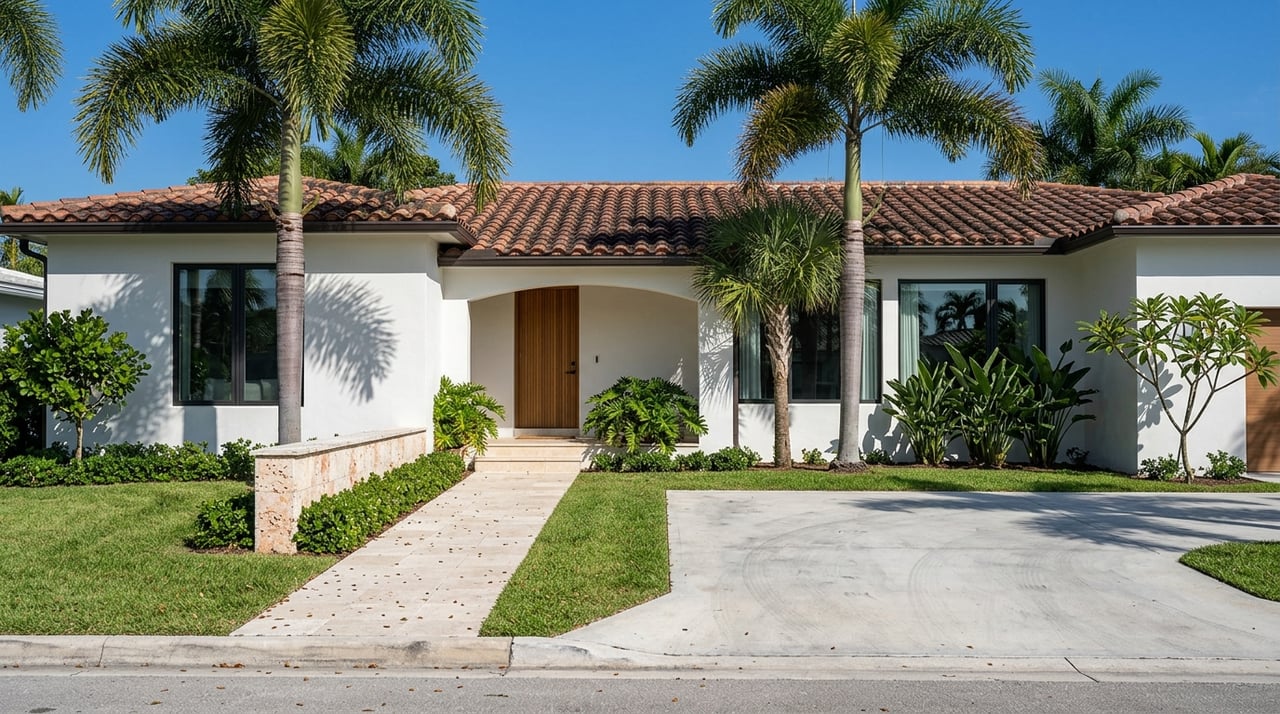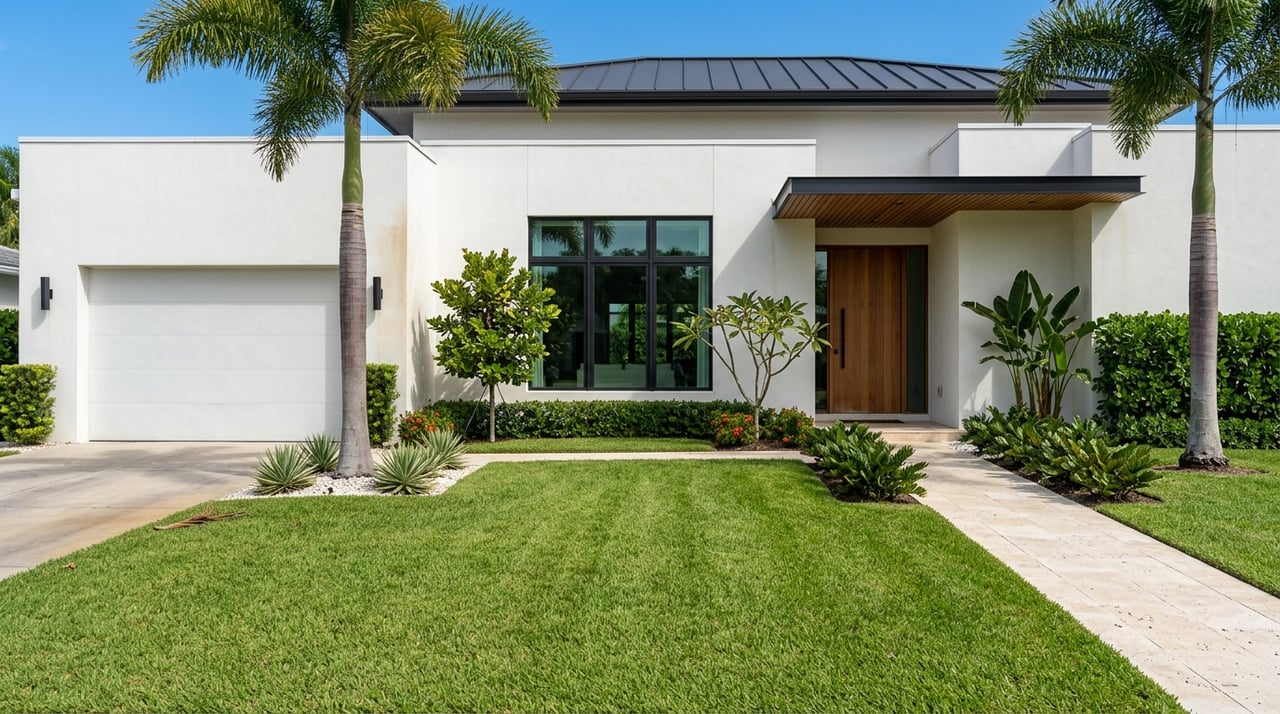
Thinking about listing your Palmetto Bay home soon? In a market where homes are taking time to sell and buyers are comparing every detail, your launch strategy matters more than ever. A smart pre-listing plan can help you avoid delays, reduce negotiation surprises, and present your home with confidence. Let’s dive in.
Why prep matters in Palmetto Bay
Palmetto Bay is currently a balanced market. Realtor.com reported 194 homes for sale, a median list price of $1.40M, median days on market of 53, and a 96% sale-to-list ratio in March 2026. That means buyers have options, so preparation and pricing discipline can make a real difference.
In other words, you do not want to count on the market to fix a weak first impression. If your home launches with unresolved issues, incomplete paperwork, or pricing that does not match condition, you may lose momentum early. A stronger start can help you attract serious buyers and protect your negotiating position.
Start with your property records
Before photos, staging, or showings, verify the basics. The Miami-Dade Property Appraiser tool allows you to review ownership, sales history, assessment and exemption information, taxable value, and aerial imagery. The Miami-Dade Clerk also maintains official records like deeds, mortgages, liens, and certified copies.
This step helps you catch small issues before they become contract problems. If ownership information, vesting, or recorded documents do not match what you expect, it is much easier to address that now than after a buyer is under contract.
What to confirm first
- Owner name and vesting information
- Sales history
- Property assessment and exemption status
- Recorded deed and mortgage details
- Any liens or related public records
Check permit history early
In Palmetto Bay, permit history deserves special attention. The Village notes that many improvements require permits, and homeowners can check existing permits as well as open and expired permits through the Village.
If you added windows, doors, a fence, a generator, a pool, a spa, or a pool deck, it is worth confirming the permit trail before listing. Missing finals, expired permits, or unpermitted work can slow down a sale and create buyer concerns.
Why permits matter before listing
Buyers often ask whether major work was properly permitted and finalized. Lenders, insurers, and closing professionals may also raise questions if records are incomplete. Handling this upfront gives you more control over timing and next steps.
Fix the details buyers notice first
Some of the best pre-listing improvements are also the simplest. Palmetto Bay’s common code-violation guidance highlights issues like landscape maintenance, poor paint or trim, visible debris, shutters left up after storms, pool barriers, and work done without permits.
Those same items can affect how buyers see your home online and in person. Fresh paint, repaired trim, clean landscaping, and clearing clutter from public view can make your property feel better cared for from the start.
Focus on visible, high-impact items
- Refresh worn paint or trim
- Tidy landscaping and remove overgrowth
- Clear visible debris and stored items
- Remove storm shutters if they are no longer needed
- Confirm pool barriers are in place if applicable
You do not need to renovate everything to make a strong impression. In many cases, clean, well-maintained, and well-documented beats over-improved but poorly organized.
Plan for flood-related questions
Flood readiness is especially important in Palmetto Bay. The Village states that it is susceptible to flooding from major rain events and storm surge, and that most of the Village is in or near a FEMA Special Flood Hazard Area.
That does not mean every home has the same exposure, but it does mean buyers may ask more detailed questions. If you can organize flood-related information early, you will be better prepared for showings, inspections, and contract discussions.
Helpful flood-related items to gather
- Any known flood history
- Drainage-related repair records
- Insurance-related paperwork you already have
- Elevation or mitigation-related documents if available
Clear documentation can make buyer conversations more straightforward. It also signals that you have approached the sale in a thoughtful, transparent way.
Consider a pre-listing inspection
A pre-listing inspection can help you uncover issues before a buyer does. This is especially useful when an insurer or lender may later focus on the home’s condition, age, or key systems.
Citizens notes that inspections may be required based on coverage, age, and location. For certain applications on properties more than 20 years old, a four-point inspection is required, and older roofs may need documentation showing at least five years of remaining useful life.
Why this matters to you as a seller
If a roof, electrical system, plumbing issue, or HVAC concern appears late in the transaction, the buyer may renegotiate or the closing may be delayed. Learning about these issues before listing gives you options. You can repair them, price around them, or prepare documentation in advance.
Wind-mitigation inspections may also document protective features that could qualify for insurance premium discounts. If your home has relevant upgrades, having that report ready may help answer buyer insurance questions more efficiently.
Get your disclosures organized
Florida requires several disclosures that matter to sellers in Palmetto Bay. At or before contract execution, sellers must provide a property-tax disclosure summary, a flood-risk disclosure, and a known sewer-lateral defect disclosure.
The property-tax disclosure is especially important because buyers should not assume their future tax bill will match the current one. A change in ownership or improvements can trigger reassessment.
Florida law also requires sellers to disclose known latent material defects that are not readily observable. The practical takeaway is simple: separate non-material history from real condition issues, and document actual defects early.
A smart disclosure approach
- Review what you know about the home’s condition
- Identify defects that are material and not readily visible
- Prepare required disclosure documents early
- Keep repair records and supporting paperwork together
Good disclosure practices help reduce surprises. They also build trust with buyers, which can support smoother negotiations.
Build your closing-readiness file
One of the best ways to reduce friction is to assemble your paperwork before the home goes live. This is where a strong operational approach can save time and stress once offers begin coming in.
A practical pre-listing file for a Palmetto Bay seller should include deed or vesting information, mortgage payoff contact details, survey, permit finals, repair receipts or warranties, association paperwork if applicable, and copies of inspection or mitigation reports.
Core documents to gather
- Deed or vesting information
- Mortgage payoff contact information
- Existing survey
- Permit records and final approvals
- Repair receipts and warranties
- Inspection reports
- Wind-mitigation or related reports
- Flood-related paperwork if available
When these items are organized early, you can respond faster to buyer questions and keep the transaction moving.
If your home has an HOA or condo association
Association properties need extra lead time. For HOA properties, Florida law requires an estoppel certificate within 10 business days of request, and that certificate must include current assessments, unpaid amounts, open violations, transfer fees, and other key details.
For condos, sellers must provide a current package that includes the declaration, articles, bylaws or rules, annual financial statement and budget, FAQ document, governance form, and milestone or reserve-study documents if applicable.
Why association prep matters
Association documents often take time to request, review, and update. If you wait until you are already under contract, you may create avoidable delays. Ordering what you need early helps you stay ahead of deadlines.
Price and presentation work together
In a balanced market, pricing and condition are closely connected. A median 53 days on market and a 96% sale-to-list ratio suggest that buyers are active, but they are also measured.
That means your asking price should reflect the home’s condition, documentation, and overall presentation. A well-prepared home has a better chance of supporting its list price than a home that feels unfinished or uncertain.
Your Palmetto Bay pre-listing checklist
If you want a simple way to tackle the process, start here:
- Verify ownership, tax, and public record details.
- Review permit history and resolve open or expired permits.
- Address visible maintenance and compliance-related items.
- Gather flood, drainage, and insurance-related paperwork.
- Consider a pre-listing or four-point inspection if relevant.
- Prepare required Florida disclosures.
- Build a closing-readiness file with key documents.
- Request association documents early if applicable.
This kind of preparation can help your home show better, answer buyer questions faster, and reduce closing friction later.
Selling in Palmetto Bay is not just about putting a sign in the yard. It is about launching with a clean record, a polished presentation, and a file that supports a smooth contract-to-close process. If you want expert guidance with both marketing and transaction readiness, Surelis Yanes can help you plan your next move with clarity and confidence.
FAQs
What should you do before listing a home in Palmetto Bay?
- Start by verifying public records, checking permit history, fixing visible maintenance issues, organizing disclosures, and gathering closing documents before your home goes on the market.
Why are permits important when selling a Palmetto Bay home?
- Permit records can reveal open, expired, or missing approvals for past work, which may raise concerns for buyers, insurers, or lenders during the sale.
Do flood issues matter when selling a home in Palmetto Bay?
- Yes. The Village says Palmetto Bay is susceptible to flooding from major rain events and storm surge, so flood history, drainage, and insurance-related paperwork are important parts of pre-listing prep.
Should you get an inspection before listing a Palmetto Bay property?
- A pre-listing inspection can help uncover issues early, especially on older homes where insurers may require reports such as a four-point inspection or roof-life documentation.
What disclosures are required when selling a home in Florida?
- Florida requires a property-tax disclosure summary, a flood-risk disclosure, and a known sewer-lateral defect disclosure at or before contract execution, and sellers must also disclose known latent material defects that are not readily observable.
What documents should you gather before selling a Palmetto Bay home?
- A strong seller file may include your deed or vesting information, mortgage payoff contact, survey, permit finals, repair receipts or warranties, association paperwork, and inspection or mitigation reports.